Shocks & Struts
Truck Shocks and Struts
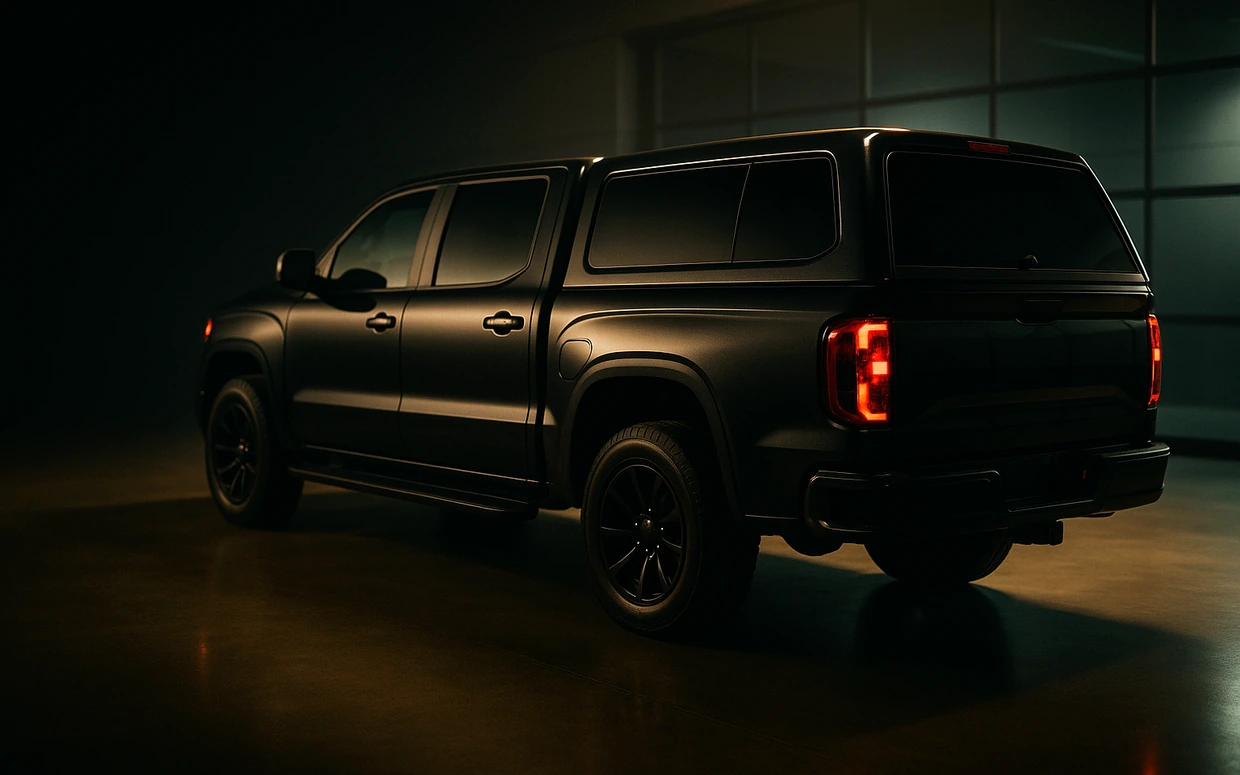
Your truck's shocks and struts do more than smooth out a bumpy road; they keep your tires planted, your steering predictable, and your load stable through every turn, stop, and rough patch. Whether your factory units are worn out, you've just installed a lift kit, or you're building an off-road rig, the right shocks make an immediate difference.
Find Parts for Your Vehicle
Measuring your bed
Put a tape measure inside the bed, from the inside of the bulkhead (front wall) to the inside of the closed tailgate. Round to the nearest inch — a 69" measurement is a 5'8" bed.
Bed length is measured inside the box, not along the outside of the truck.
Still unsure? Leave it blank to see every length that fits your truck, or call 800-953-7108.
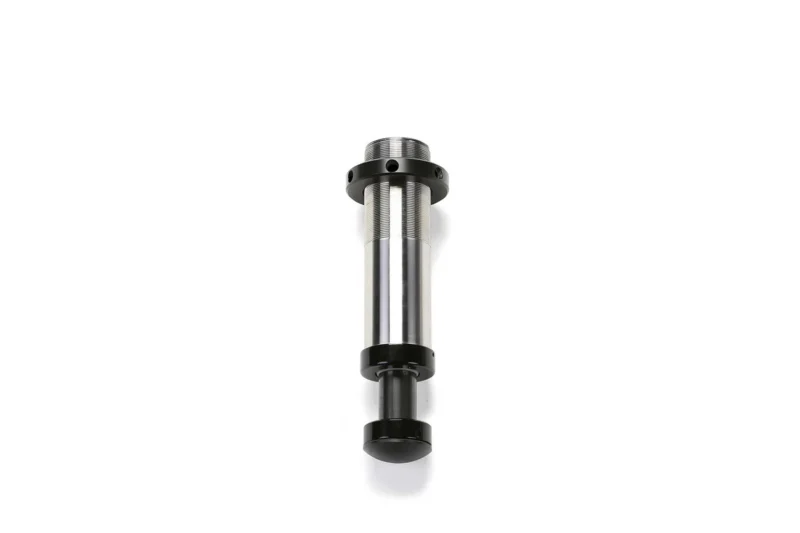
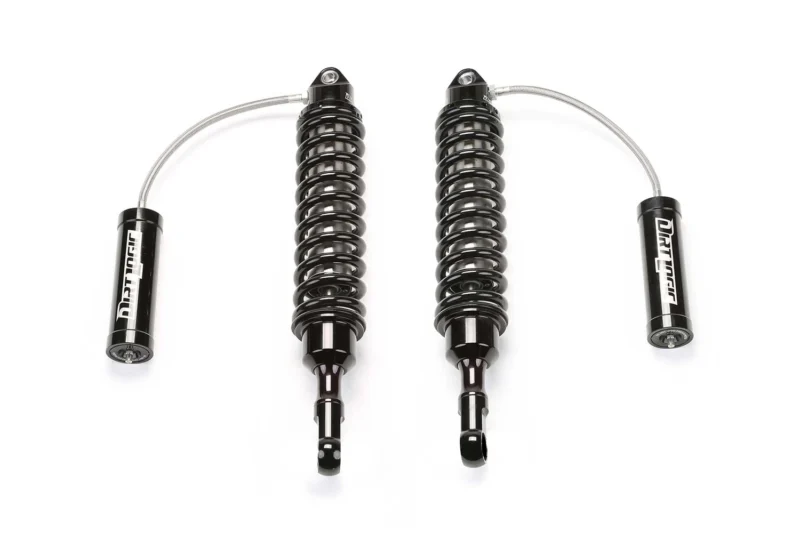
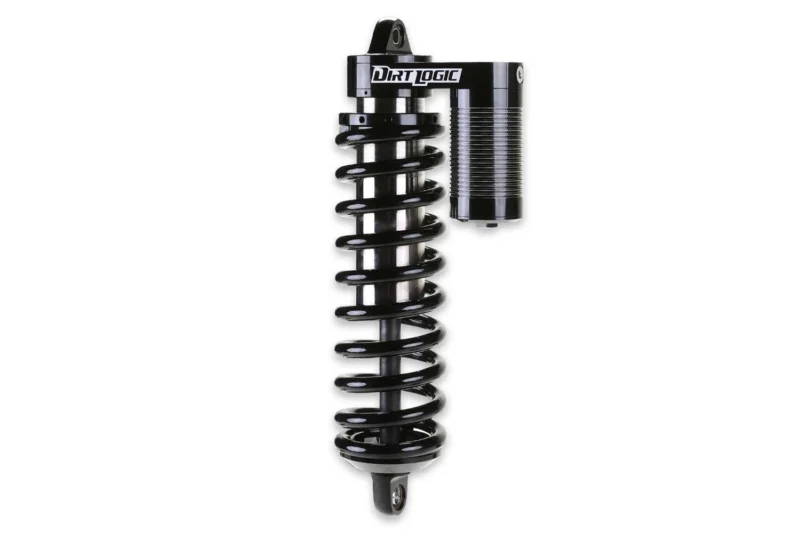
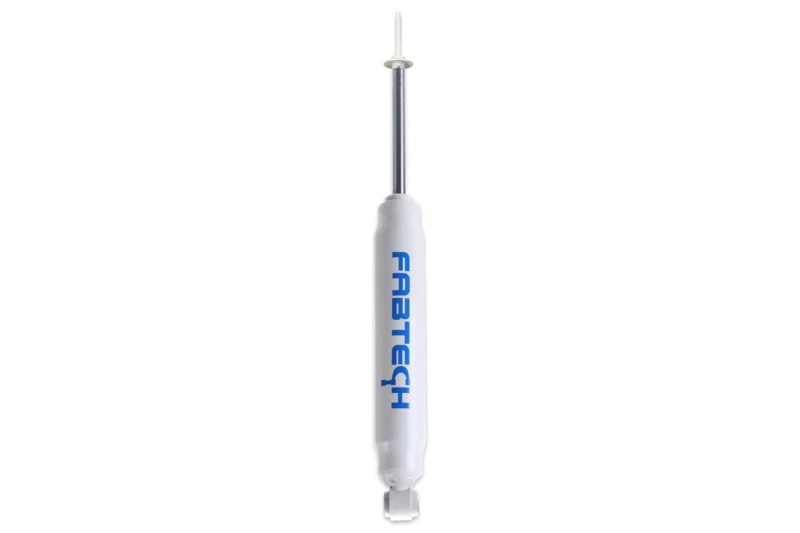

What Do Shocks and Struts Do?
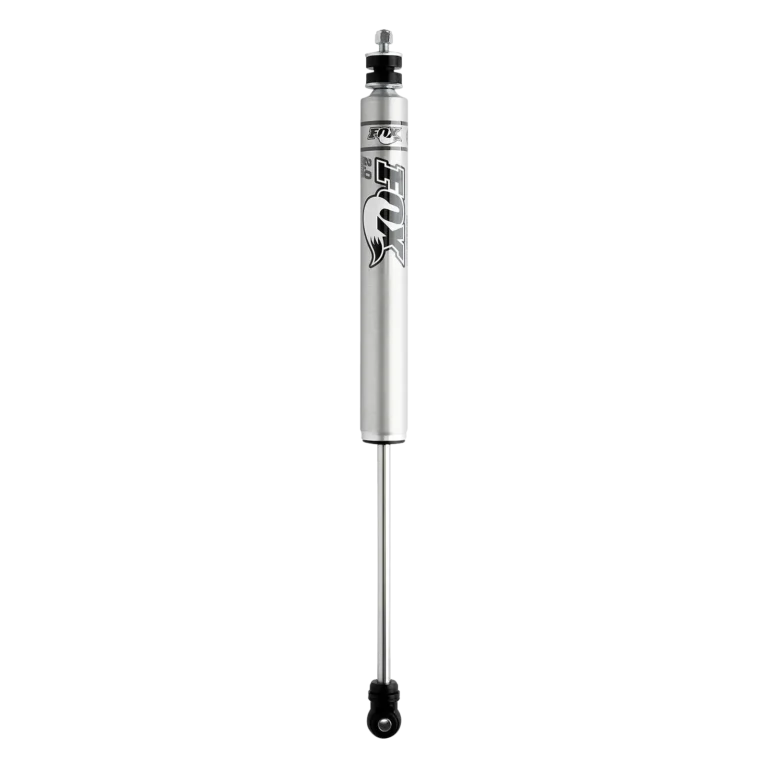
Shocks and struts are the damping components of your suspension system. Your springs -- whether coil, leaf, or torsion bar -- carry the weight of the vehicle and absorb large impacts, but without a damper to control that energy your truck would keep bouncing long after hitting a bump. Shocks and struts absorb and dissipate that energy, keeping your tires in consistent contact with the road surface and your ride controlled and stable.
Shocks vs. Struts: What's the Difference?
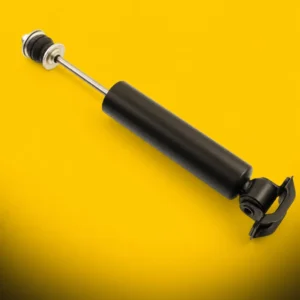
A shock absorber is a standalone damping unit that works alongside a separate spring. A strut is a structural component that combines the damper and a mount into a single assembly, and on many front suspensions it also serves as a pivot point for the steering system. Whether your truck uses shocks, struts, or a combination of both depends on the specific suspension design of your vehicle. We carry both, with fitment-specific options for virtually every popular truck, SUV, and Jeep platform.
Types of Aftermarket Shocks and Struts
Twin-Tube Shocks
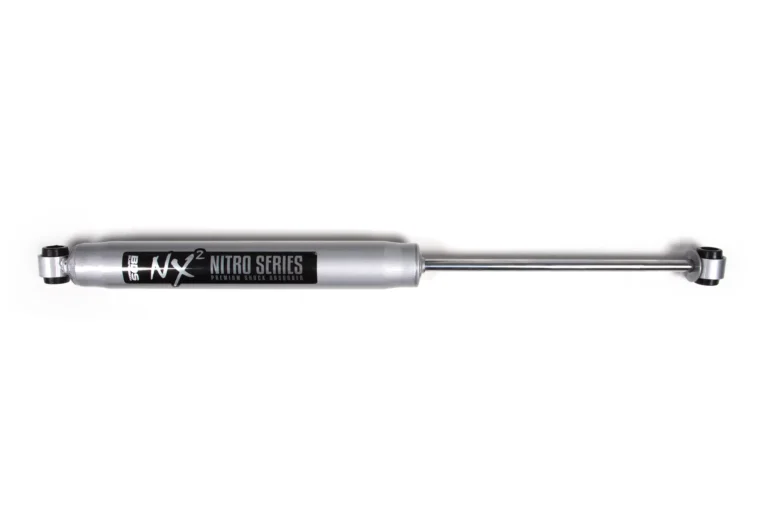
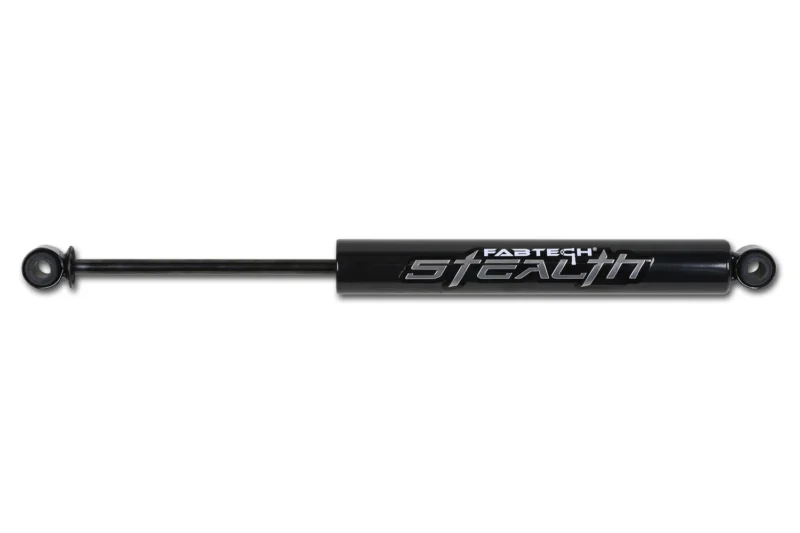
Twin-tube shocks are the most common design found on factory suspension setups and many entry-level aftermarket upgrades. They use an inner tube where the piston travels and an outer reservoir tube, with hydraulic fluid doing the damping work. They offer a good balance of ride comfort and cost, making them a solid choice for daily drivers looking to restore worn suspension performance.
Monotube Shocks
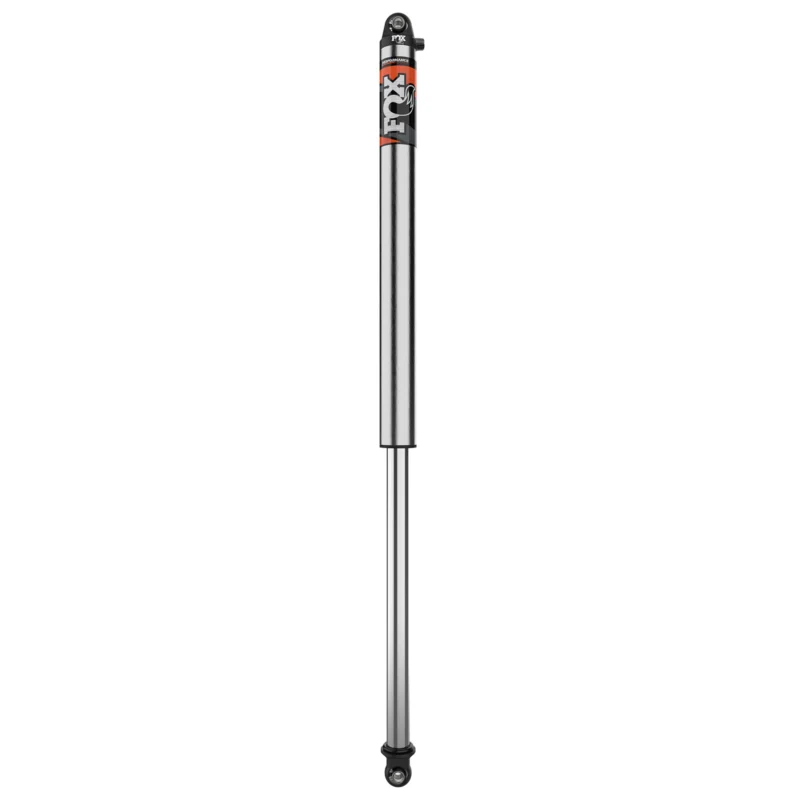
Monotube shocks use a single-tube design with a floating piston separating the hydraulic fluid from pressurized nitrogen gas. This design runs cooler, responds more precisely to road inputs, and performs more consistently under repeated hard use, making monotube shocks the preferred choice for off-road driving, towing, and performance applications.
Reservoir Shocks
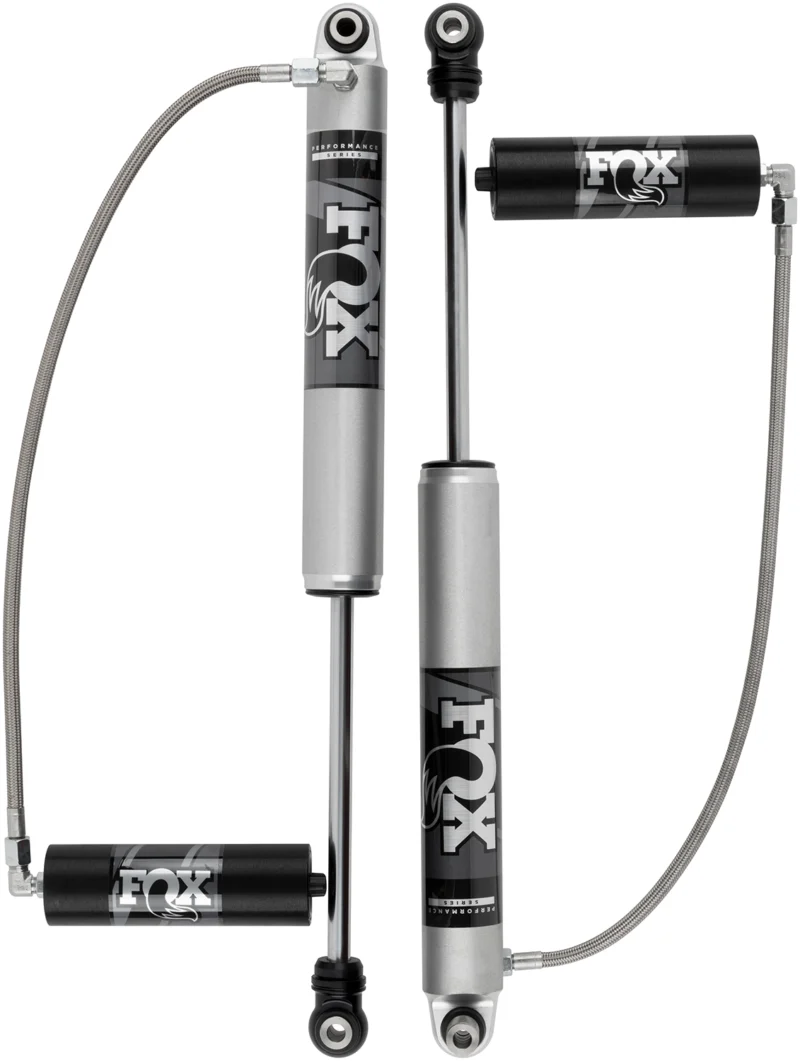
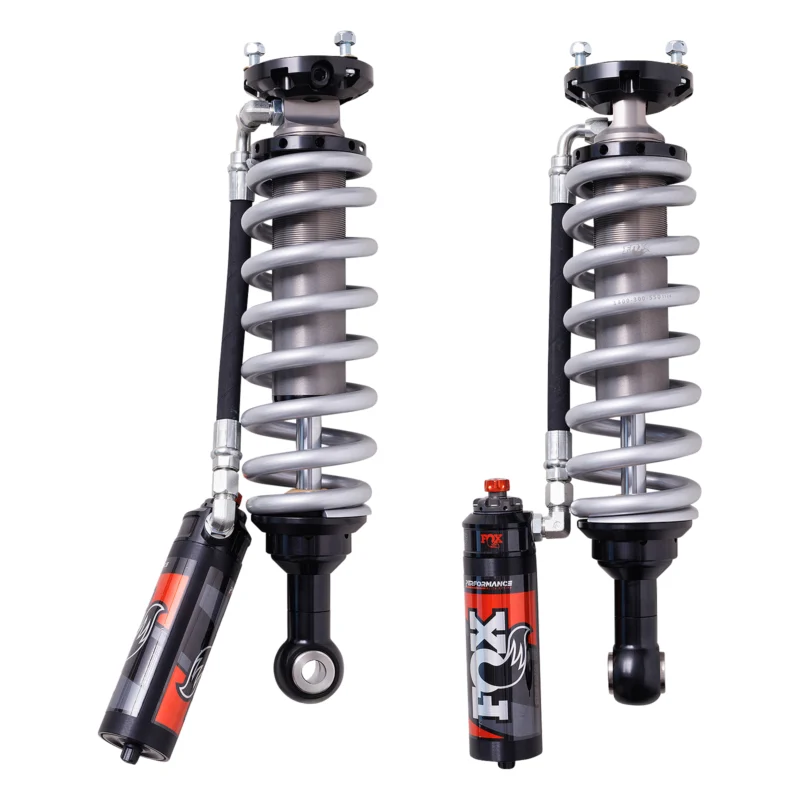
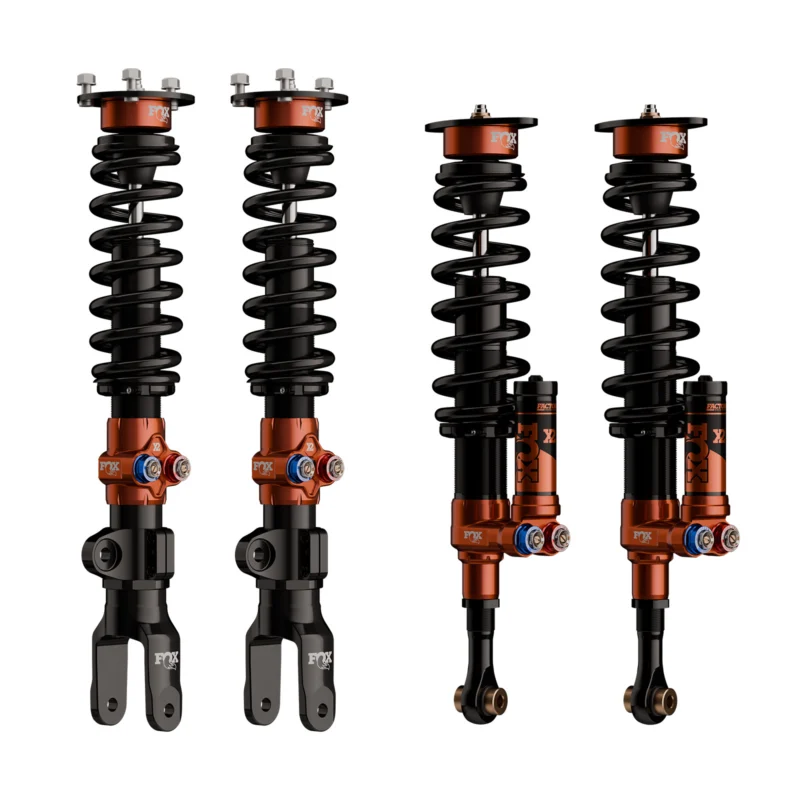
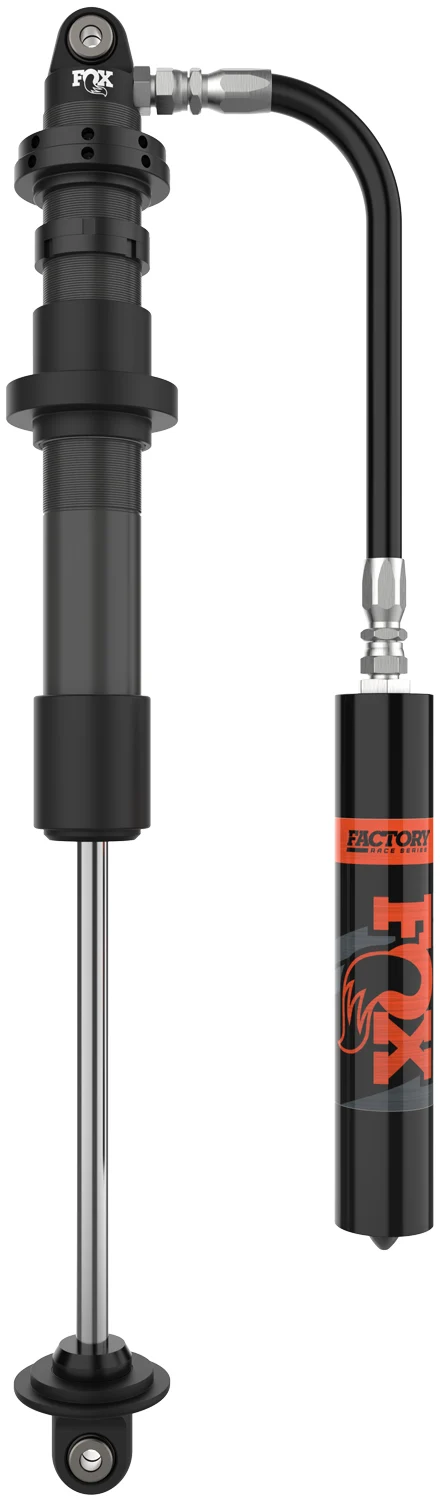
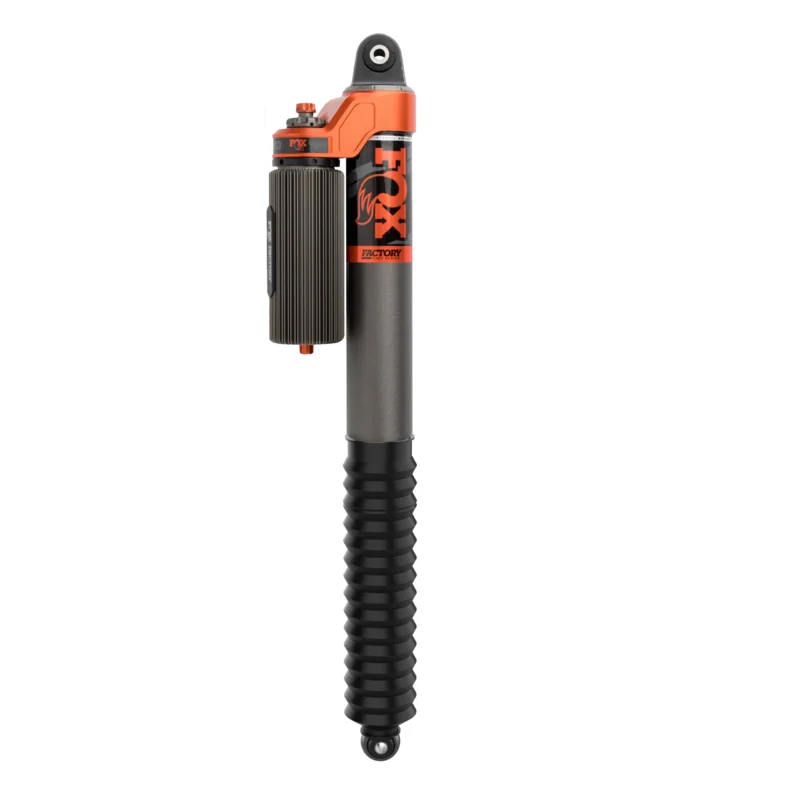
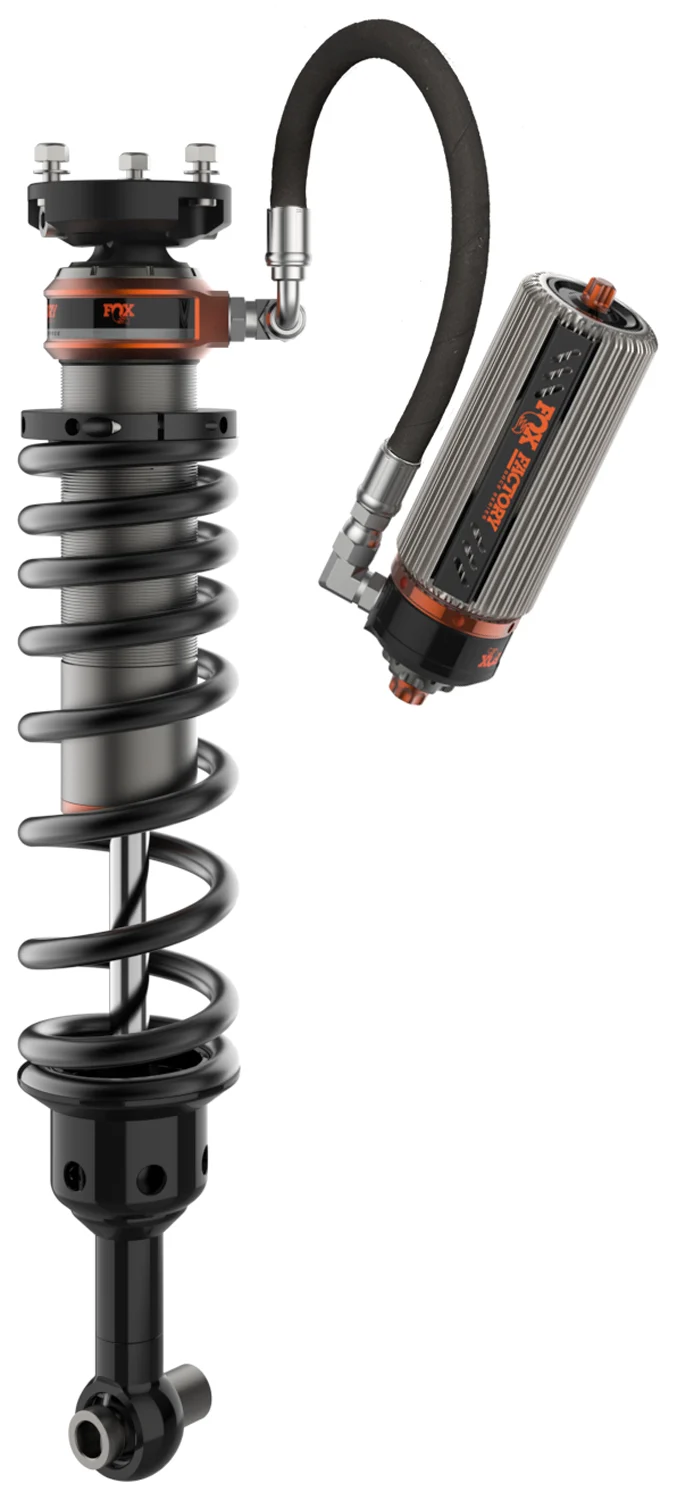
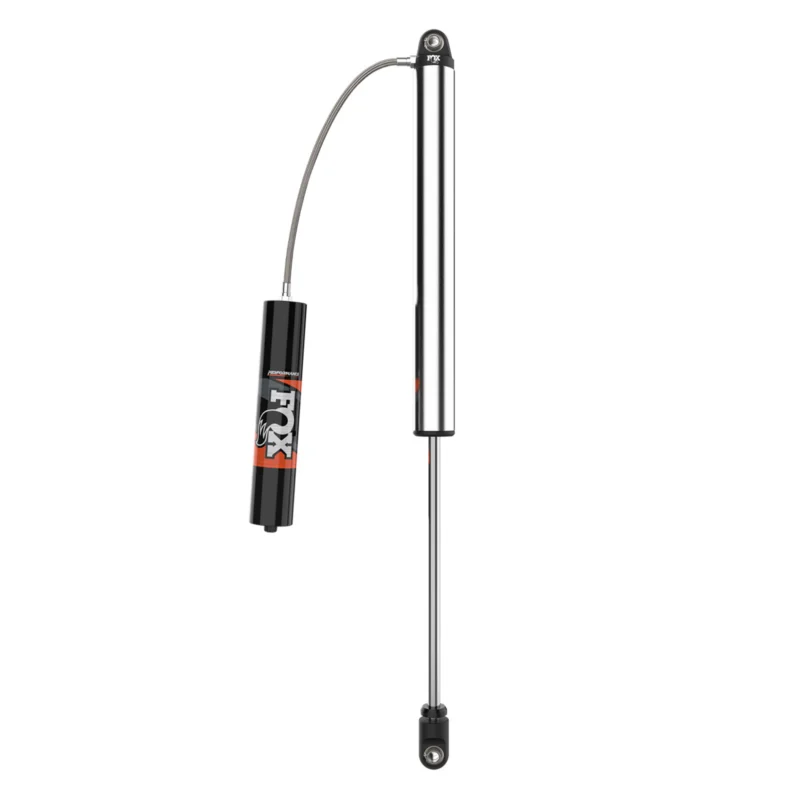
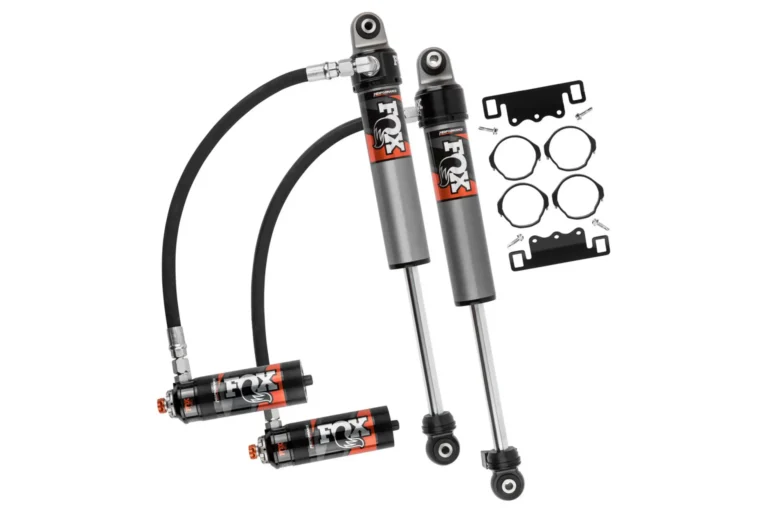
For the most demanding off-road and performance applications, remote or piggyback reservoir shocks add an external fluid chamber that dramatically increases oil volume and heat dissipation. This prevents the fade that standard shocks experience after prolonged high-intensity use -- essential for rock crawling, desert running, or any scenario where the suspension is working hard for extended periods.
Coilover Shocks
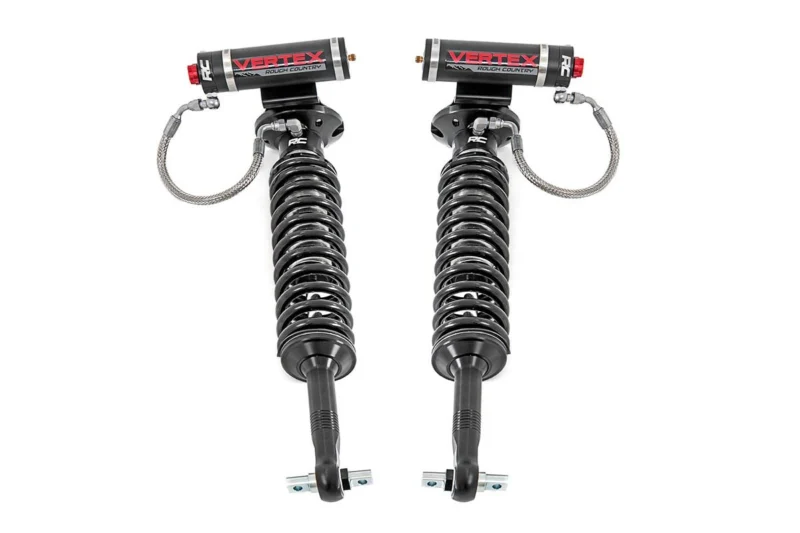
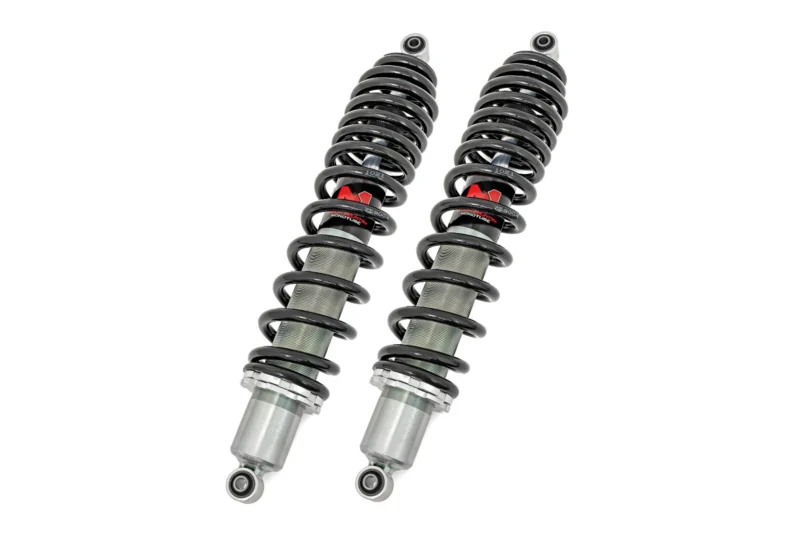
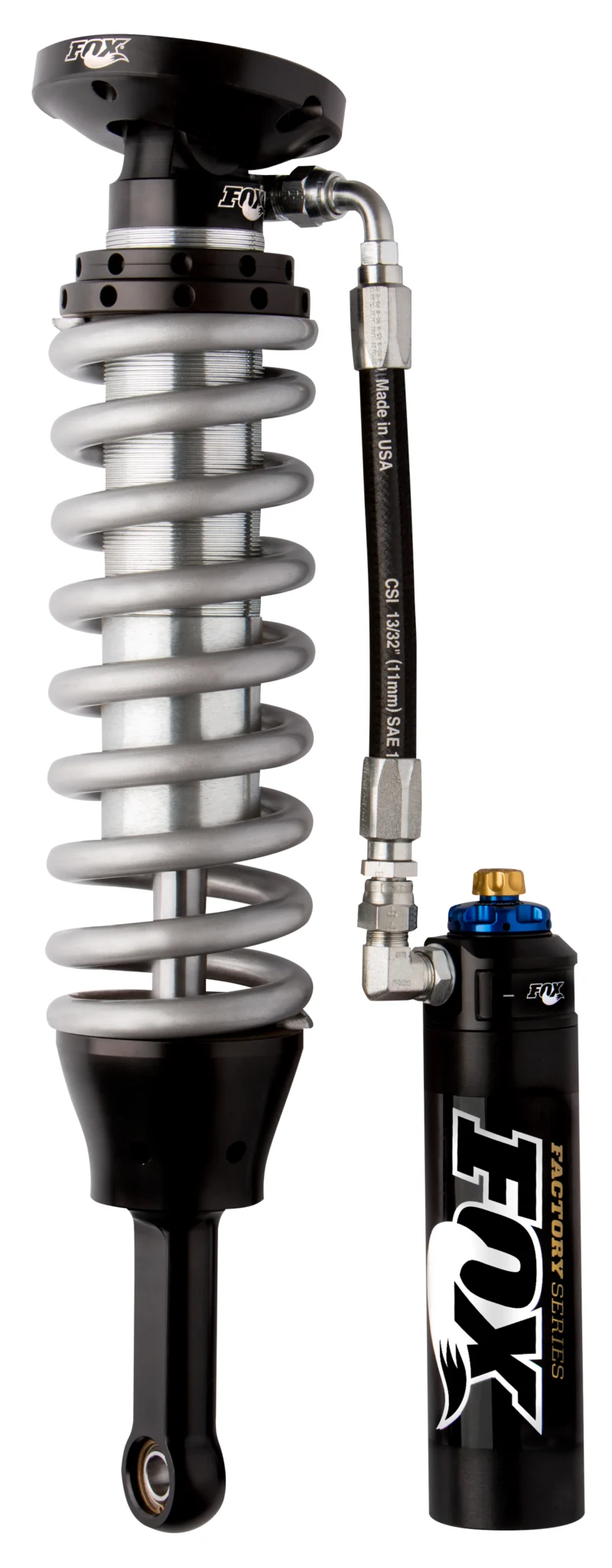
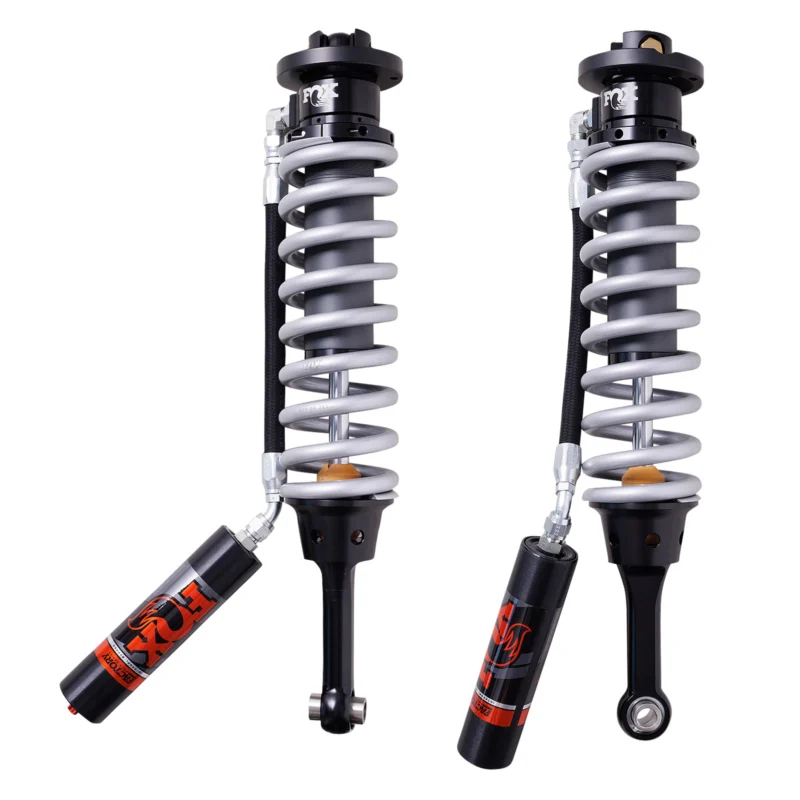
Coilover shocks combine a shock absorber with a coil spring into a single integrated unit. They are a popular upgrade for lifted trucks and off-road builds because they allow precise ride height adjustment and deliver superior on- and off-road handling compared to separate spring-and-shock configurations.
Shocks for Lifted Trucks
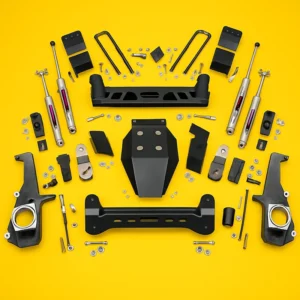
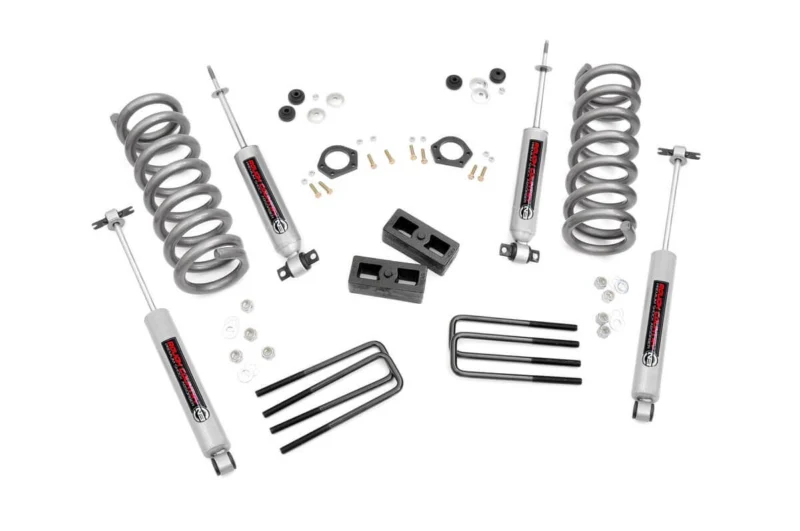
If you've installed a leveling kit or a full lift kit, your factory shocks are almost certainly the wrong length and valving for your new suspension geometry. Running factory shocks on a lifted truck leads to premature wear, poor ride quality, and compromised handling, especially off-road. We carry lift-specific shocks engineered to work with the extended travel and geometry changes that come with lifted suspension systems. Many lift kits come with shocks already paired with the rest of the suspension, but even those are upgradable in most cases.
Brands We Carry
With over 35 years in the aftermarket truck accessory business, we stock shocks and struts from the biggest names in the industry, including Bilstein, Fox Factory, Rancho, Rough Country, Skyjacker, BDS Suspension, Fabtech, Superlift, and ReadyLIFT. Use the vehicle selector to filter by year, make, and model, or talk to one of our suspension specialists who can match the right shock to your truck, your lift height, and the way you drive.
Common Questions
How do I know when my truck's shocks need to be replaced?
Common signs of worn shocks include excessive body bounce after hitting a bump, nose-diving under braking, rear squat during acceleration, uneven or cupped tire wear, a harsh or wallowy ride, and reduced steering response. Most manufacturers recommend inspecting shocks every 50,000 miles, though trucks driven off-road or used for towing may need replacement sooner.
Do I need new shocks when I install a lift or leveling kit?
In most cases, yes. A leveling kit that raises the front of the truck will require shocks with appropriate travel for the new suspension height. A full lift kit typically includes shocks matched to the lift, but upgrading to a higher-quality shock than what's included is a popular and worthwhile option. Running factory-length shocks on a lifted truck can lead to over-extension damage and poor handling.
What is the difference between Bilstein, Fox, and Rancho shocks?
All three are respected brands with strong aftermarket reputations, but they serve slightly different use cases. Bilstein is known for its gas-pressure monotube design and delivers a firm, precise ride that excels in both daily driving and moderate off-road use. Fox Factory shocks are engineered for high-performance and demanding off-road applications, with premium materials and valving. Rancho offers a wide range from entry-level to adjustable performance shocks, which are popular for trucks that tow and haul.
Can I replace just one or two shocks, or do I need to replace all four?
It's strongly recommended to replace shocks in axle pairs -- both fronts or both rears at a minimum -- to maintain balanced handling. Replacing all four at once is ideal, especially if the vehicle has high mileage. Mixing a new shock with a significantly worn one on the same axle creates uneven damping that can make handling unpredictable.
What shocks work best for towing and hauling?
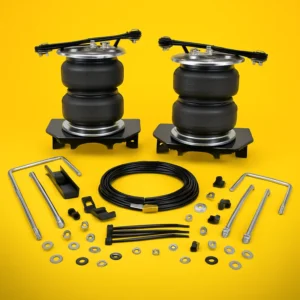
For trucks used primarily for towing, shocks with higher valving and load-bearing capability are the right choice. For heavier towing needs, pairing quality shocks with air helper spring kits provides optimal load support and stability.
Are coilover shocks worth it for a street-driven truck?
Coilovers offer the most adjustability in ride height and damping, which makes them popular for truck builders who want a precisely dialed-in suspension. For a purely street-driven truck with no lift, the expense may not be necessary, but for a truck that's also driven off-road or on uneven terrain, the performance and tunability of a coilover setup are a meaningful upgrade over a conventional shock-and-spring arrangement.