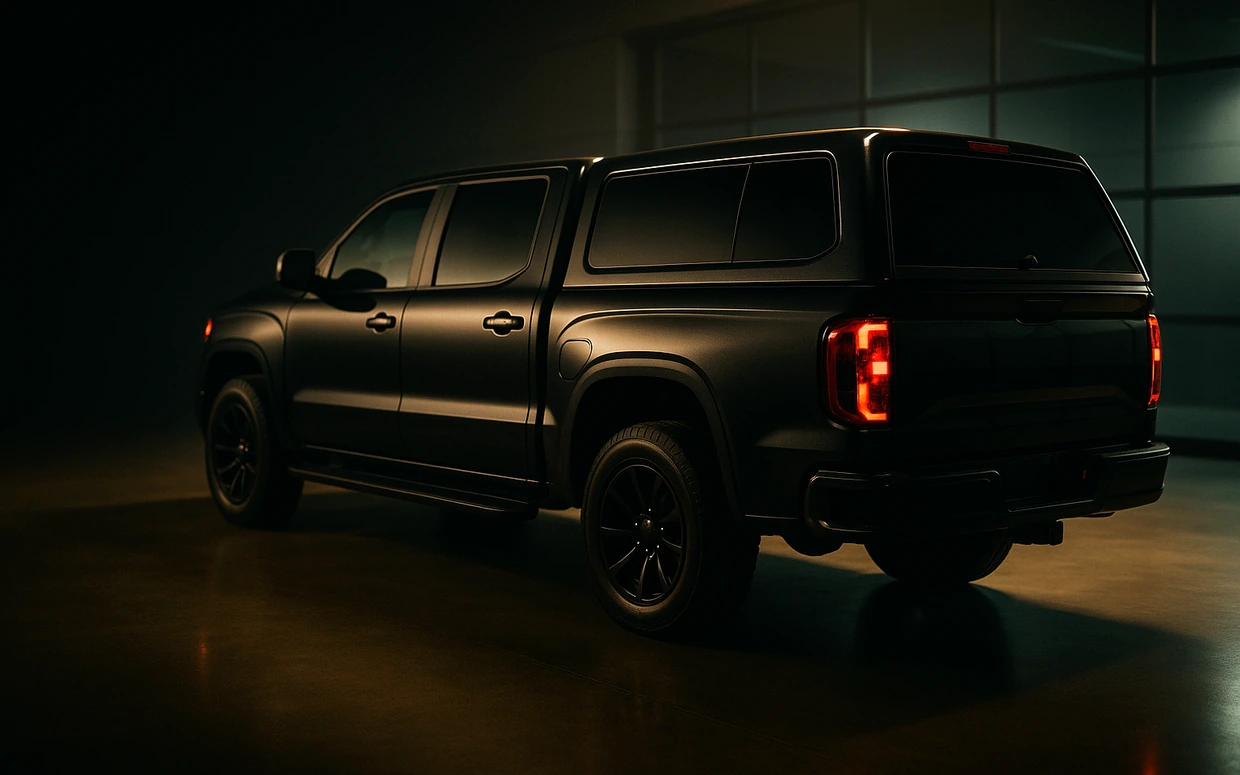
Grille Screens & Winter Fronts
Screen the Grille, Block the Winter Air
Two jobs, one piece of gear. Through the warm months a bug screen stretches over the grille and keeps insects, stone chips and road debris from packing into the radiator, where they cook on and stay. Through the cold ones a winter front covers part of that same opening so the engine warms faster and holds heat on short runs.


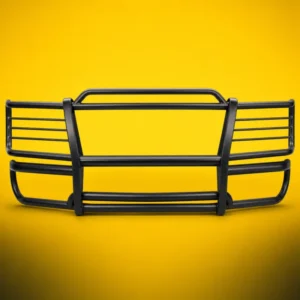
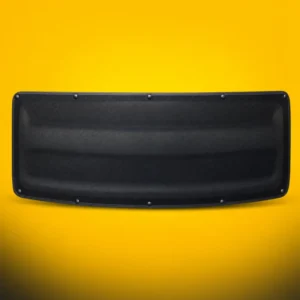

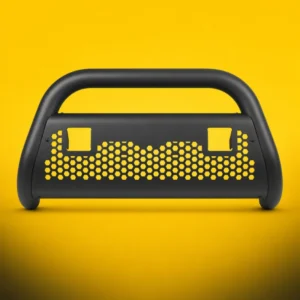


Find Parts for Your Vehicle
Measuring your bed
Put a tape measure inside the bed, from the inside of the bulkhead (front wall) to the inside of the closed tailgate. Round to the nearest inch — a 69" measurement is a 5'8" bed.
Bed length is measured inside the box, not along the outside of the truck.
Still unsure? Leave it blank to see every length that fits your truck, or call 800-953-7108.
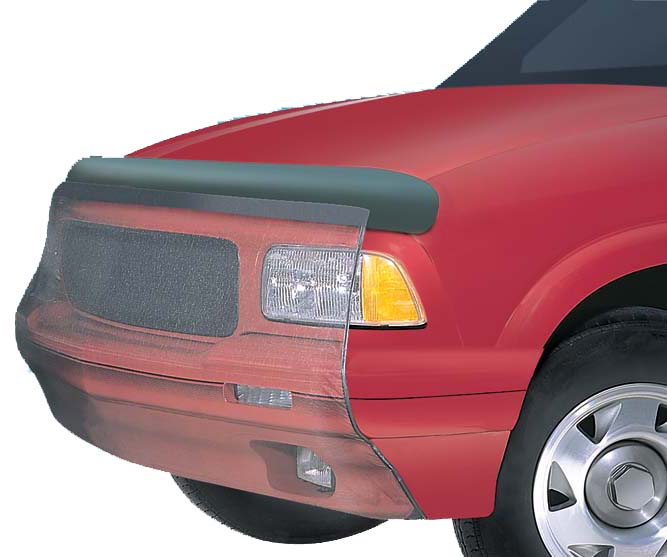
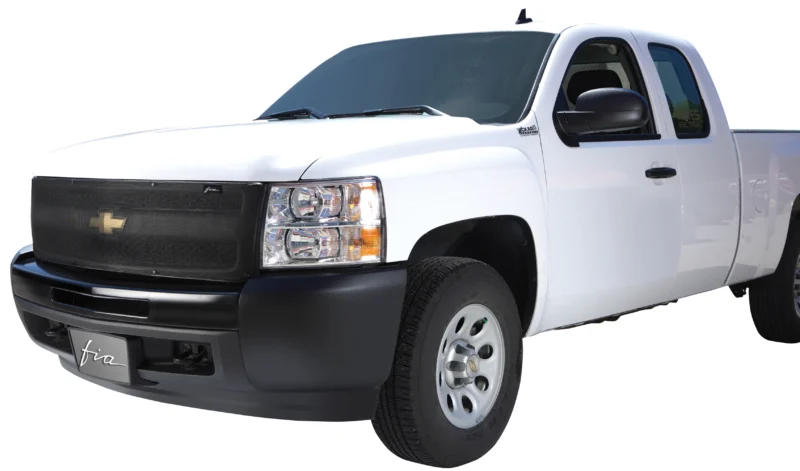
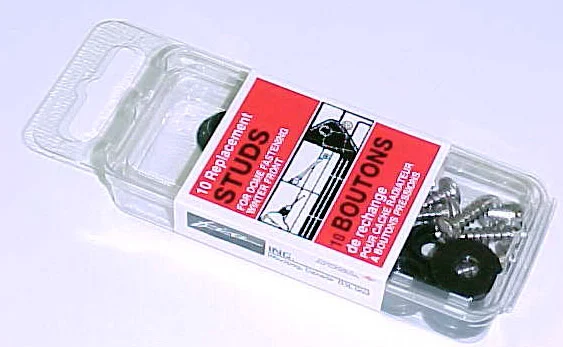
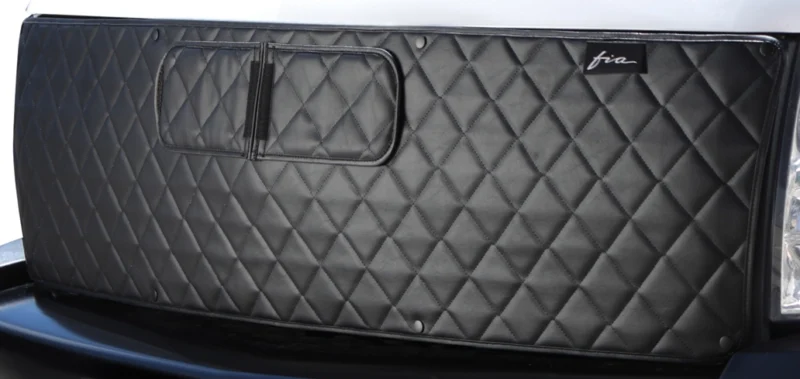
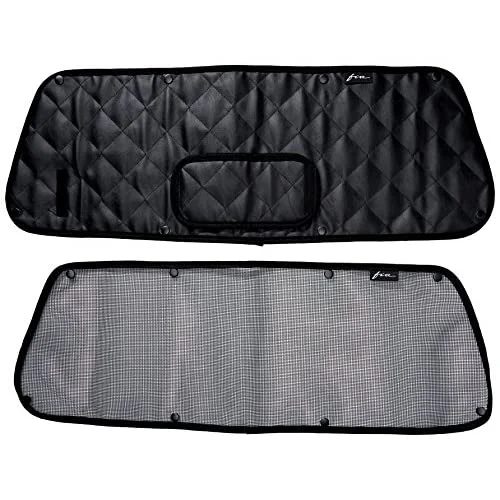
Most of what is here is FIA, whose heavy-duty kits are cut to a specific vehicle and made from quilted all-weather vinyl. Those custom-fit kits pull double duty across the year, with the winter front and the bug screen sold together. There are universal screens as well, including bra-style mesh for a motor home and one that attaches to a hood deflector you already own.
Rugged Ridge covers a few off-road applications on the same shelf. Fit matters more than usual here. A screen cut for your grille sits flat and stays where you put it, while a loose universal panel will flap at highway speed and wear at its edges. The combination kits are the sensible buy if you want both jobs covered, since the winter front and the bug screen come in the box together.
Common Questions
Will a bug screen make my truck run hot?
The mesh screens are designed to pass air, and a clean one should not cause trouble. What to watch is buildup. A screen packed solid with insects after a long summer trip restricts airflow the same way plugged radiator fins do. Rinse it when you wash the truck and keep half an eye on the temperature gauge.
What is a winter front actually for?
It blocks part of the grille opening so less cold air passes through the radiator, which gets the engine up to operating temperature faster and helps it hold there. That matters most on diesels and on short winter trips where an engine never fully warms. Take it off as temperatures climb, since it is a cold-weather part.