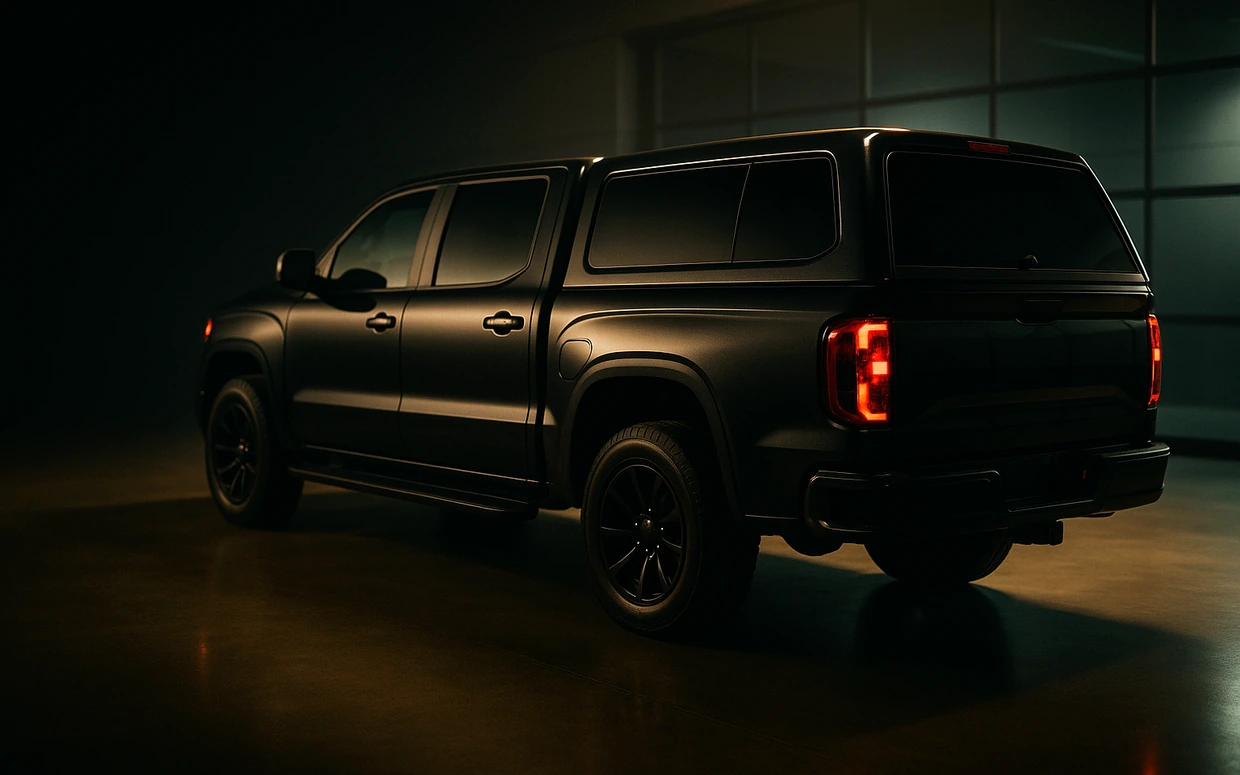
Trailer Hitch
Custom Trailer Hitches - Class 1 Through Class 5
Towing starts with the right hitch. Whether you are pulling a small utility trailer, a loaded camper, a boat, or a heavy commercial load, getting the correct hitch class for your vehicle is the most important decision you will make. Hitch classes range from 1 to 5 and are based on both receiver size and towing capacity.
Find Parts for Your Vehicle
Measuring your bed
Put a tape measure inside the bed, from the inside of the bulkhead (front wall) to the inside of the closed tailgate. Round to the nearest inch — a 69" measurement is a 5'8" bed.
Bed length is measured inside the box, not along the outside of the truck.
Still unsure? Leave it blank to see every length that fits your truck, or call 800-953-7108.
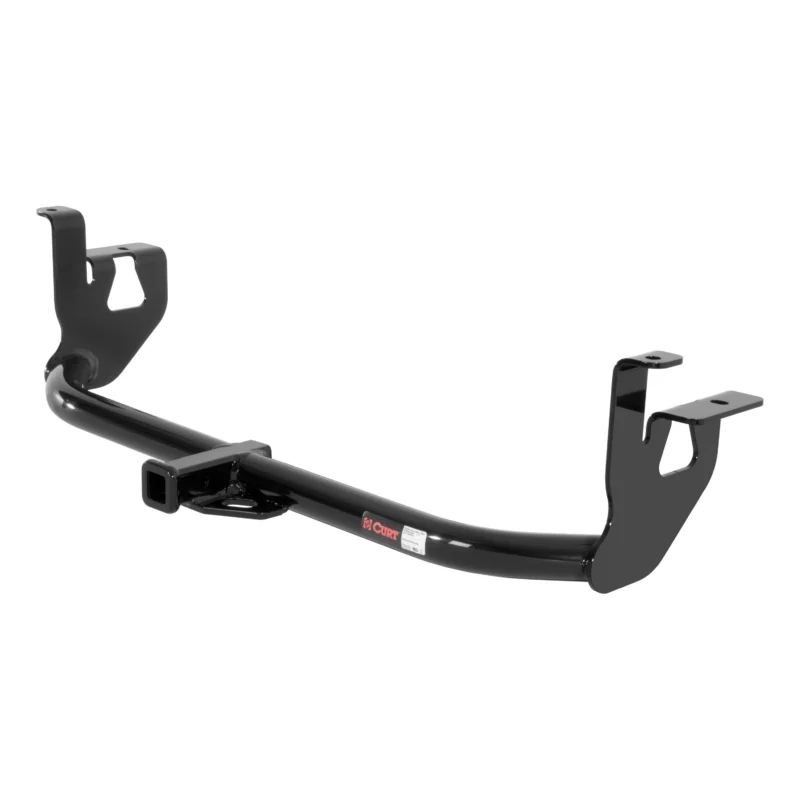
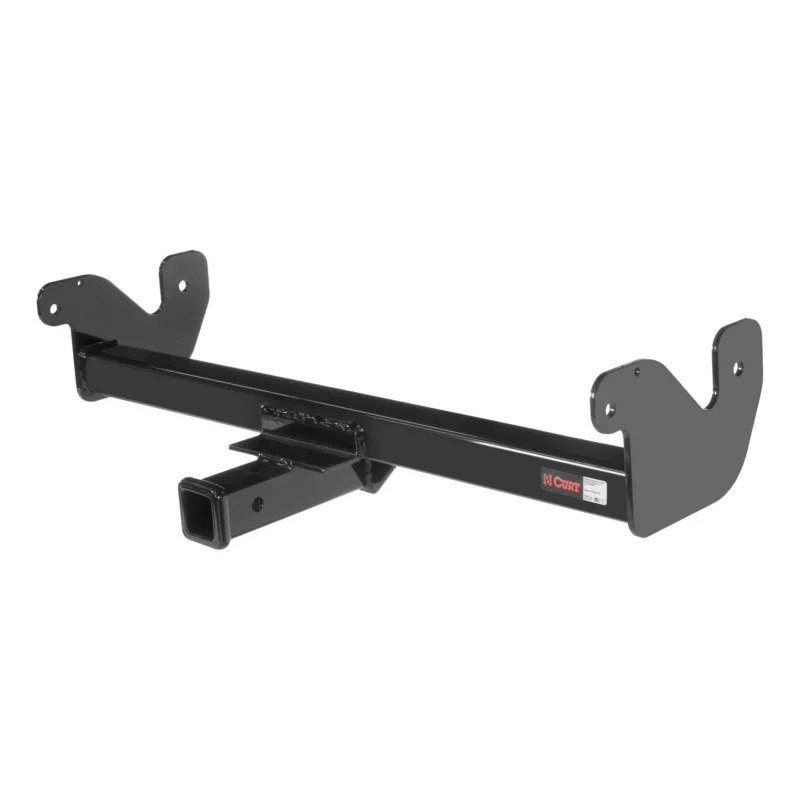
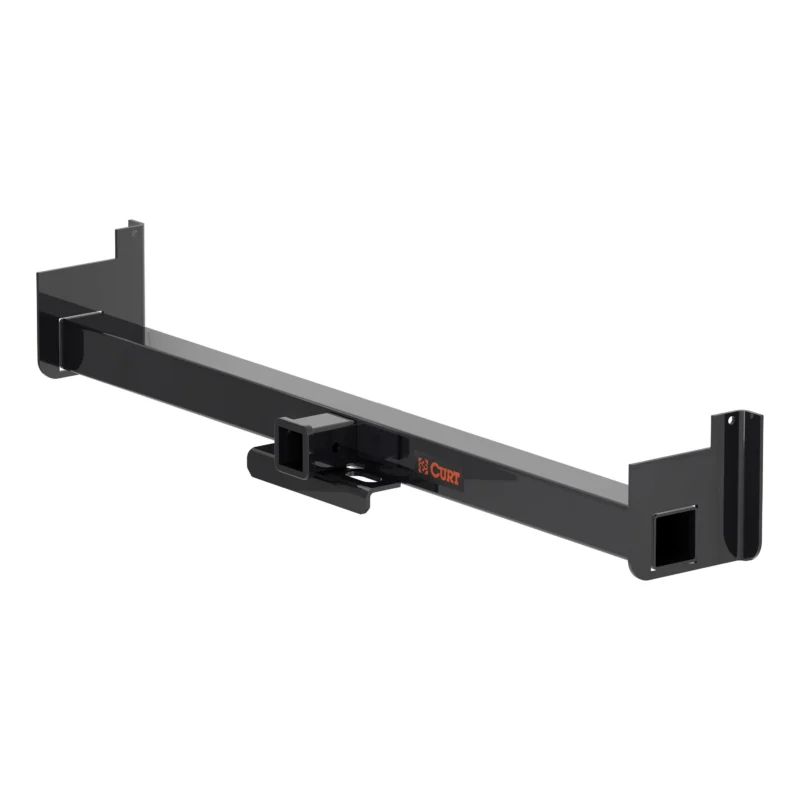
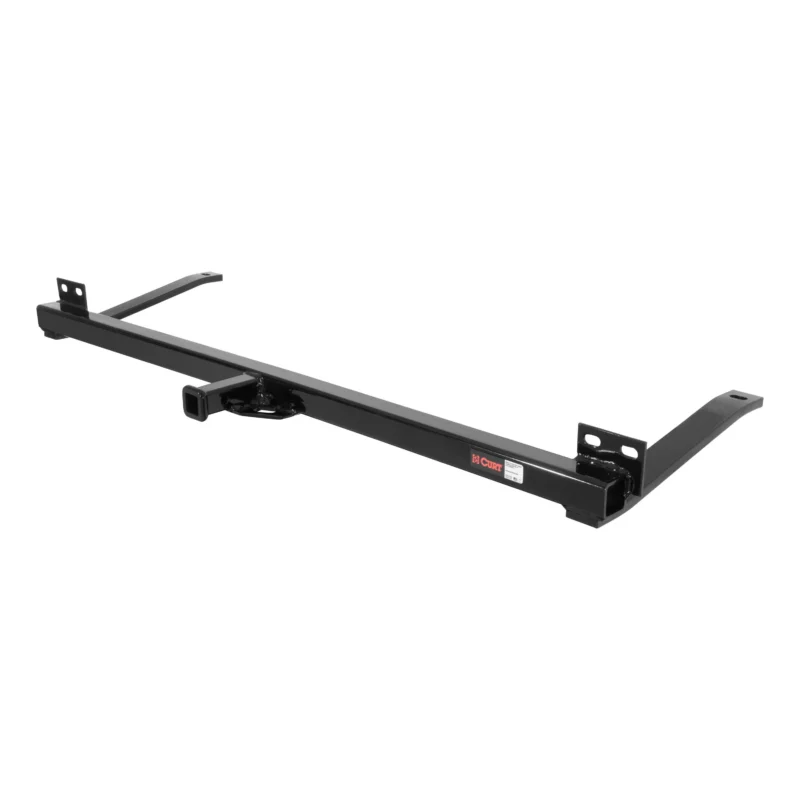
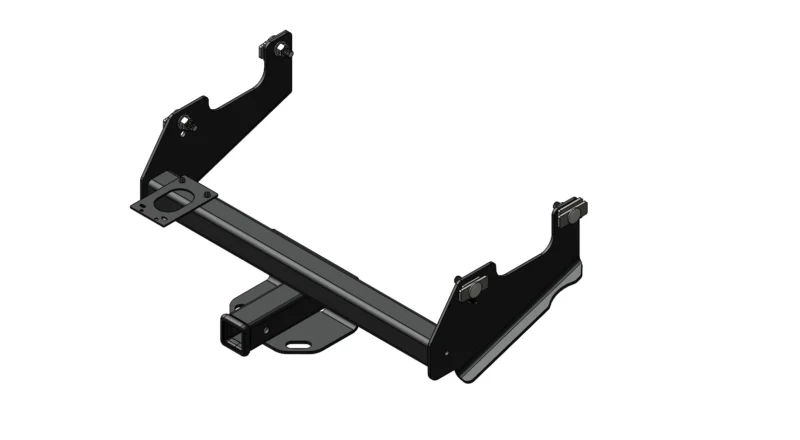
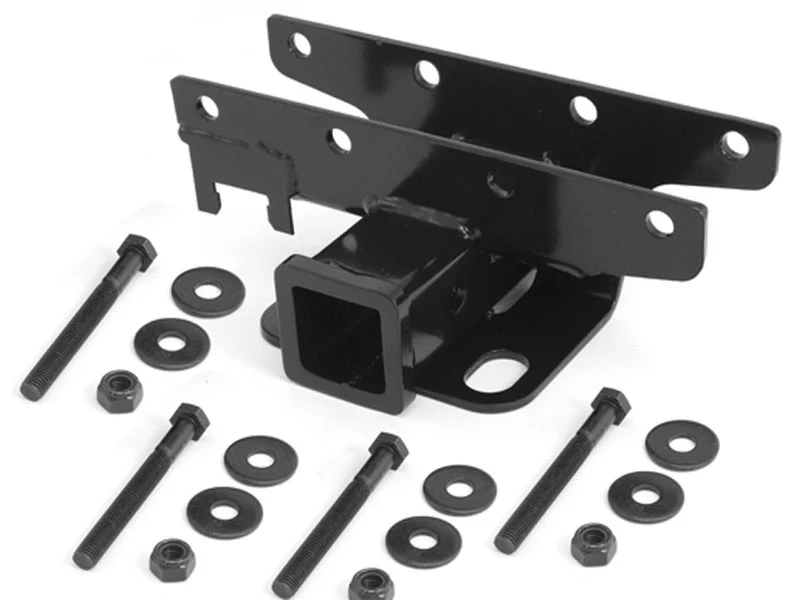
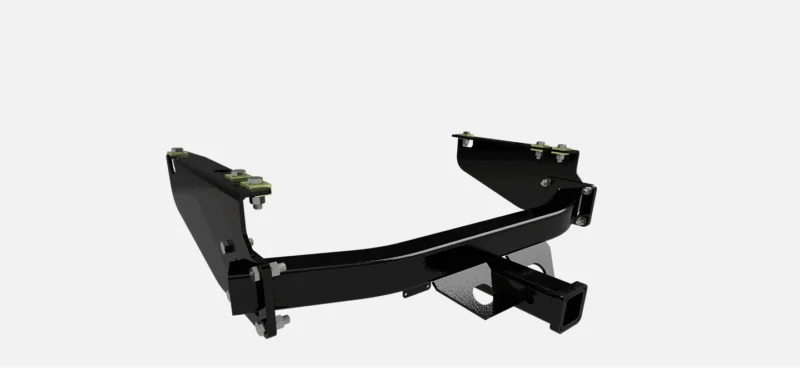
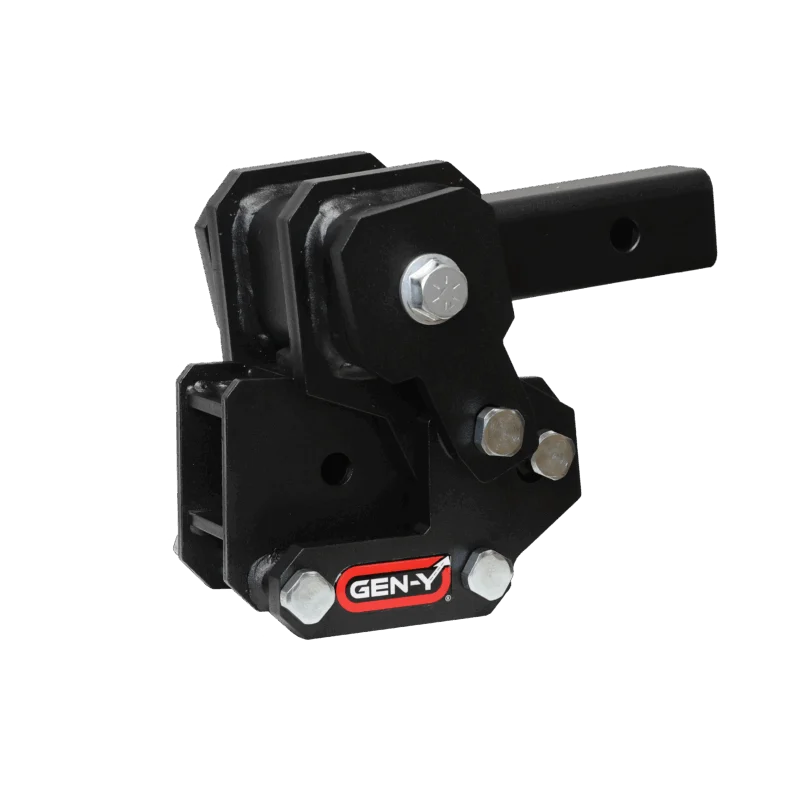
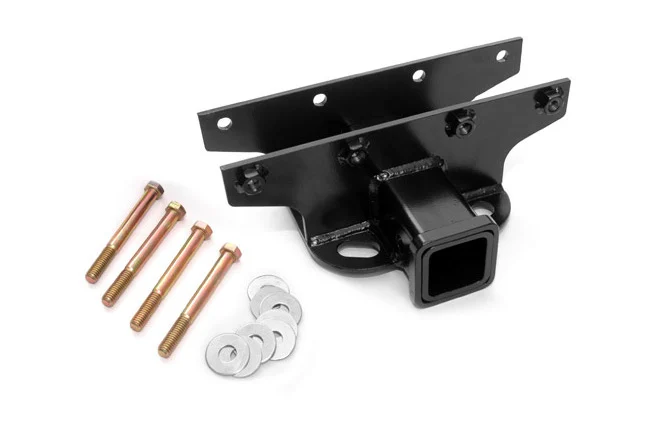
Understanding Trailer Hitch Classes
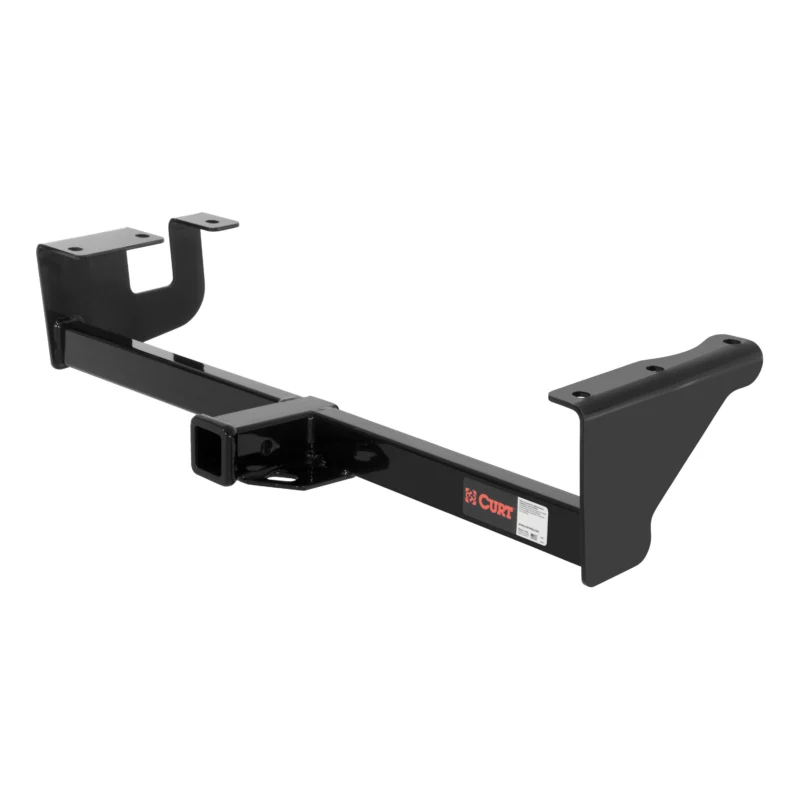
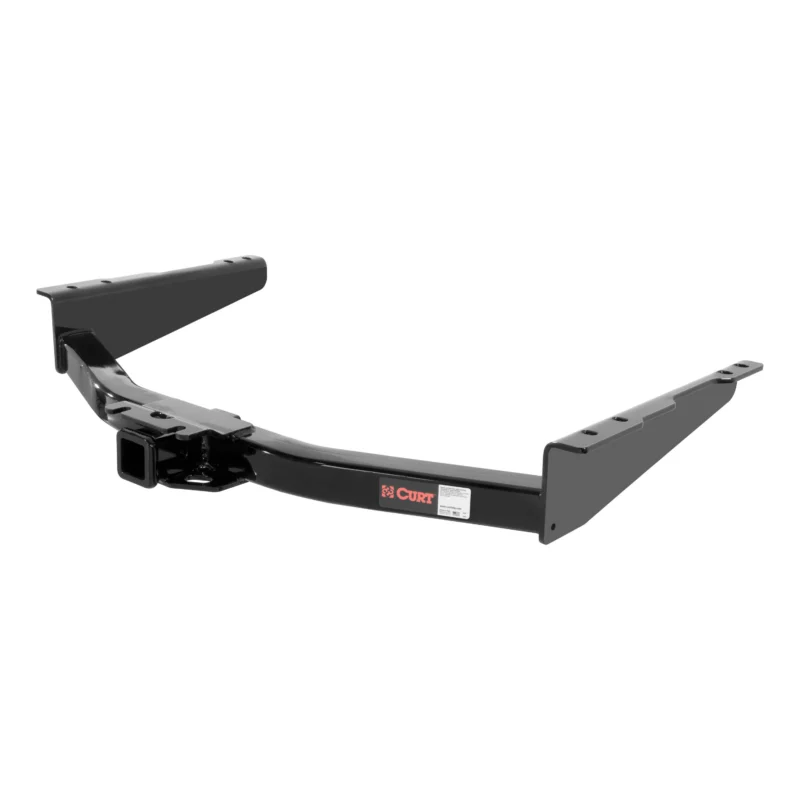
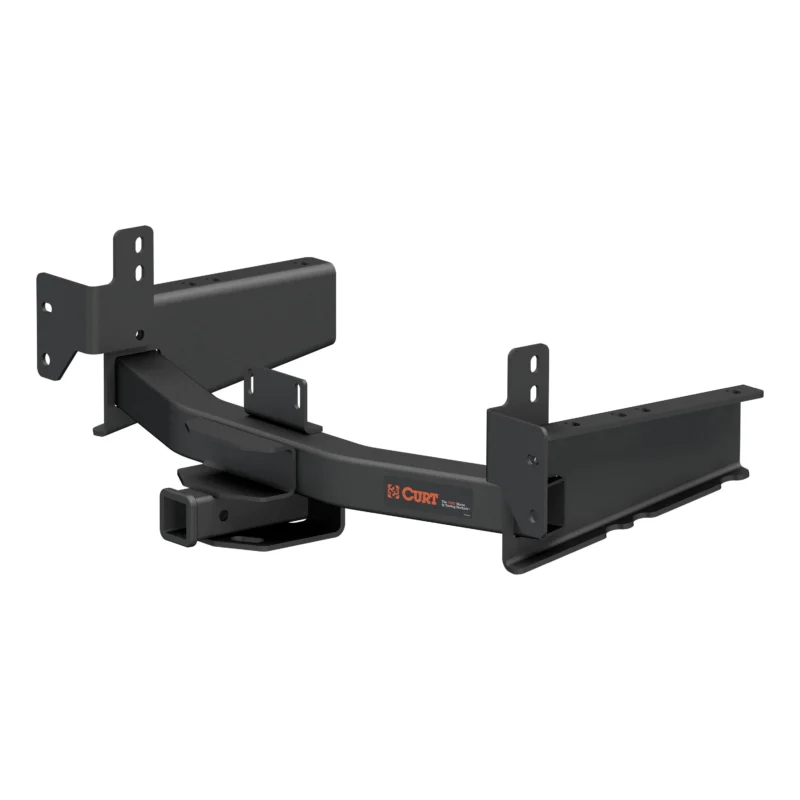
Trailer hitches are rated by class, which determines both the receiver tube size and the maximum towing and tongue weight capacity. Choosing the wrong class can compromise safety and damage your vehicle, so it is critical to match the hitch to both your tow vehicle and what you plan to pull.
Class 1 and Class 2 Hitches
Class 1 and Class 2 hitches use a 1-1/4 inch receiver and are designed for lighter-duty applications: small cargo carriers, bike racks, or lightweight trailers. These are commonly used on cars, crossovers, and compact SUVs with lower factory tow ratings, typically handling up to 3,500 lbs gross trailer weight.
Class 3 Trailer Hitches
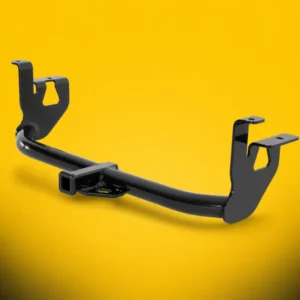
Class 3 is the most popular hitch for full-size trucks and mid-size SUVs. With a standard 2 inch receiver and towing capacity up to 8,000 lbs, a Class 3 hitch covers the majority of everyday towing needs: campers, boat trailers, enclosed cargo trailers, and utility hauls. If you own a half-ton pickup or a body-on-frame SUV, this is likely the hitch class you need.
Class 4 Trailer Hitches
Stepping up to Class 4 gives you a 2 inch receiver rated for up to 10,000 lbs gross trailer weight. These hitches are built for heavier loads like large boats, horse trailers, and travel trailers that push the limits of a Class 3 rating. They are commonly paired with half-ton and three-quarter-ton trucks configured for heavier towing.
Class 5 - Xtra Duty Hitches
Class 5 hitches are built for serious commercial and heavy-duty applications, handling towing capacities up to 17,000 lbs or more depending on the vehicle and receiver size. Many newer three-quarter-ton and one-ton pickups use 2-1/2 inch or even 3 inch receivers at this class level. If you are hauling heavy equipment, large livestock trailers, or commercial loads, Class 5 is the appropriate choice.
Trailer Hitch Brands
H&H stocks hitches from a carefully selected lineup of proven manufacturers, including CURT, B&W Towing, Gen-Y Hitch, Andersen Hitches, Weigh Safe, Blue Ox, Rough Country, Smittybilt, Rugged Ridge, and Buyers Products. From no-frills receiver hitches to adjustable, load-compensating designs built for maximum safety, there is an option for every vehicle and towing application.
Complete Your Towing Setup
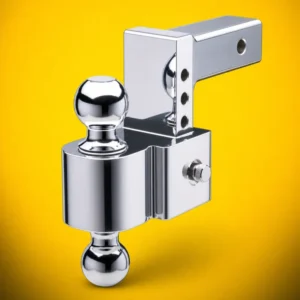
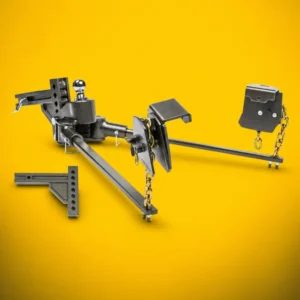
A hitch is just the starting point. H&H also carries ball mounts, hitch wiring harnesses, brake controllers, weight distribution systems, sway control, hitch pins and locks, and gooseneck and fifth-wheel setups for heavy-duty towing.
Professional Hitch Installation
H&H technicians install trailer hitches at all locations, and most standard receiver hitch installations are completed the same day. Use the Year/Make/Model selector on this page to find hitches confirmed to fit your vehicle, or talk to a towing specialist before you buy.
Common Questions
What hitch class do I need for my truck or SUV?
The right class depends on your vehicle's tow rating and what you plan to pull. Most full-size half-ton trucks and body-on-frame SUVs use a Class 3 hitch. For heavier loads, a Class 4 or Class 5 may be required. The H&H team can help you match the correct hitch class to your specific vehicle and application.
What is the difference between a 1-1/4 inch and 2 inch receiver hitch?
Receiver size determines what ball mounts, bike racks, and other accessories will fit. Class 1 and 2 hitches use a 1-1/4 inch receiver, while Class 3, 4, and most Class 5 hitches use a 2 inch receiver. Class 5 heavy-duty applications sometimes use 2-1/2 inch or 3 inch receivers on larger trucks.
How much can a Class 3 trailer hitch tow?
A Class 3 hitch is typically rated for up to 8,000 lbs gross trailer weight with up to 800 lbs tongue weight, though actual capacity is always limited by your vehicle's factory tow rating - whichever is lower applies.
Do I need a weight distribution system with my hitch?
Weight distribution is generally recommended when your loaded trailer's tongue weight exceeds 10 to 15 percent of your tow vehicle's curb weight, or when you notice the rear of your vehicle squatting under load. H&H carries weight distribution and sway control systems to complement any hitch setup.
Can H&H install a trailer hitch on any vehicle?
H&H installs hitches on a wide range of trucks, SUVs, and cars. Use the vehicle selector on this page to confirm fitment, or bring your vehicle into any H&H location for a consultation. Most installations are completed the same day.
What other towing accessories do I need with a new hitch?
At minimum you will typically need a ball mount, a trailer ball sized to your coupler, and a wiring harness for trailer lights. Depending on your trailer's weight, you may also need brake controller wiring and a brake controller. H&H carries all of these alongside its hitch lineup.
What brands of trailer hitches does H&H carry?
H&H stocks hitches from CURT, B&W Towing, Gen-Y Hitch, Andersen Hitches, Weigh Safe, Blue Ox, Rough Country, Smittybilt, Rugged Ridge, and Buyers Products, covering Class 1 through Class 5 applications across trucks, SUVs, Jeeps, and passenger vehicles.