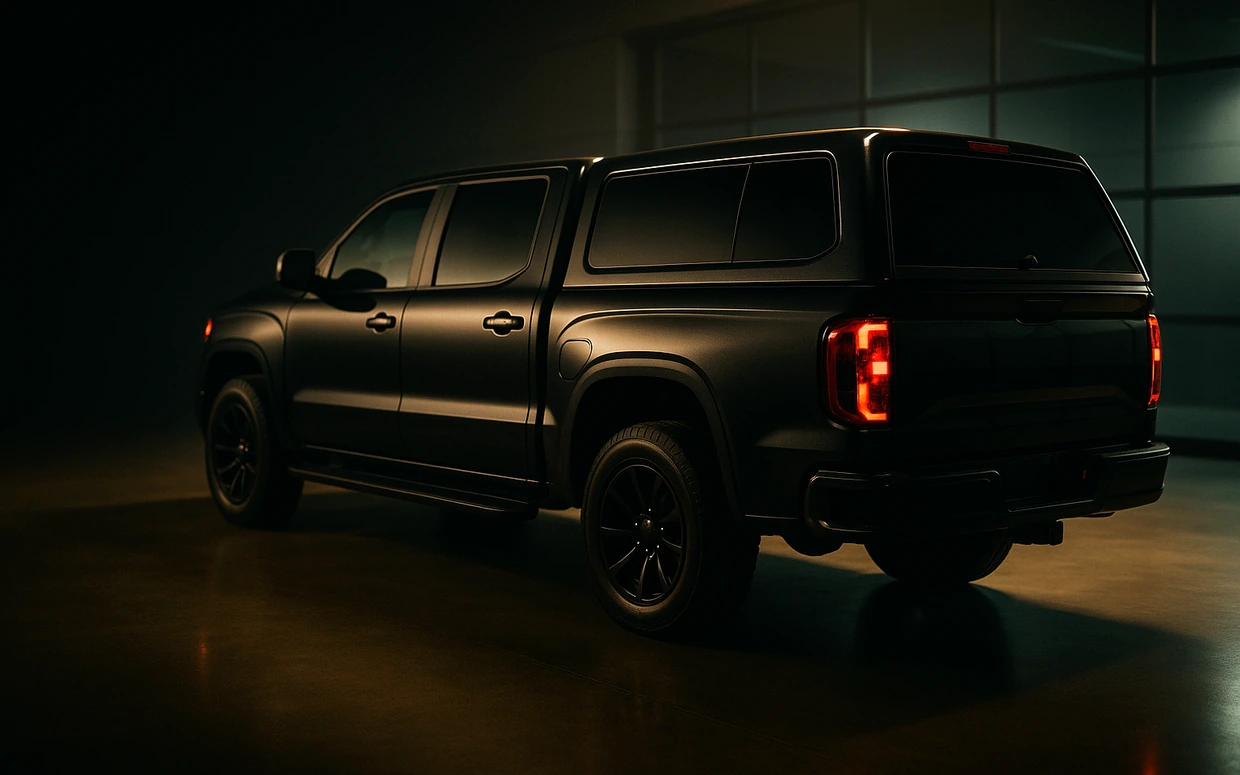
Hitch & Towing Accessories
Brake Controllers, Trailer Wiring, and Towing Accessories
Towing a heavy trailer without the right gear isn't just unsafe -- in many states, it's illegal. H&H Truck & Outdoor carries trailer brake controllers, wiring harnesses, trailer brakes, jacks, couplers, winches, and replacement lighting, covering everything from straightforward plug-and-play kits to advanced proportional systems with smartphone connectivity.
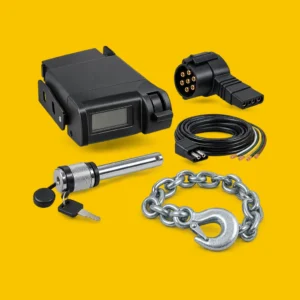
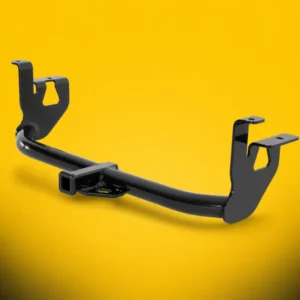
Find Parts for Your Vehicle
Measuring your bed
Put a tape measure inside the bed, from the inside of the bulkhead (front wall) to the inside of the closed tailgate. Round to the nearest inch — a 69" measurement is a 5'8" bed.
Bed length is measured inside the box, not along the outside of the truck.
Still unsure? Leave it blank to see every length that fits your truck, or call 800-953-7108.
Why You Need a Trailer Brake Controller
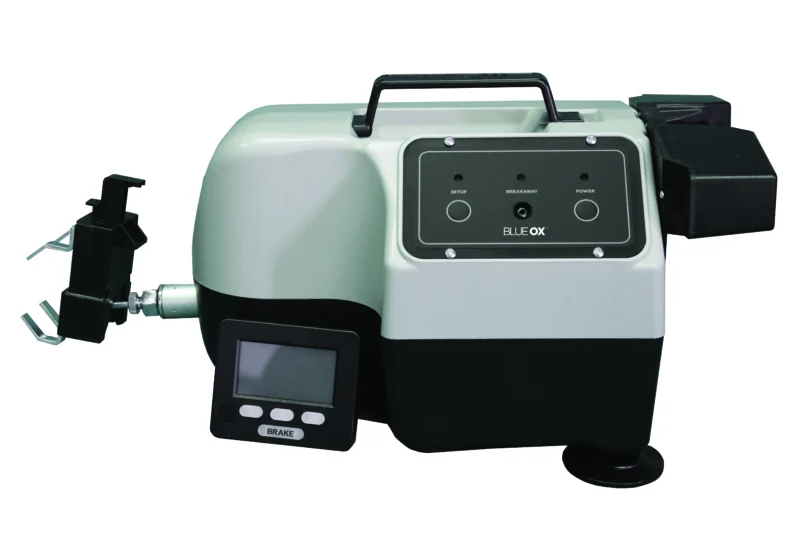
When you apply your brakes while towing, your tow vehicle alone can't safely stop the combined weight of truck and trailer -- especially at highway speeds or in emergency situations. A brake controller senses when you're braking and sends an electrical signal to your trailer's electric brakes, engaging them in sync with your vehicle's brakes. The result is a dramatically shorter stopping distance, less wear on your vehicle's brakes, and far greater stability throughout the stop -- particularly important with heavier trailers that could otherwise push or sway the tow vehicle during braking.
Most states require trailer brake controllers when towing trailers with a gross trailer weight (GTW) over 3,000 lbs, though requirements vary by state. Even where not legally required, a brake controller is a critical safety investment for any serious towing application.
Types of Trailer Brake Controllers
Time-Delayed Brake Controllers
Time-delayed controllers -- also called proportional-delay or pendulum-style controllers -- apply a preset amount of braking power to the trailer after a set time delay from when you press the brake pedal. They are generally more affordable and simpler to set up, making them a solid choice for occasional towers or those with consistent, predictable loads. The trade-off is that the brake output is fixed rather than responsive to how hard you're actually stopping, which can mean slight over- or under-braking depending on conditions.
Proportional Brake Controllers
Proportional controllers use an internal accelerometer to measure the actual rate of deceleration of the tow vehicle in real time, then apply a matching level of braking force to the trailer. Because the trailer brakes mirror exactly how hard the tow vehicle is stopping, the result is a smoother, more natural braking feel with less wear on both sets of brakes and improved trailer stability. For frequent towers, heavier loads, or anyone who wants the most refined towing experience, a proportional controller is the preferred choice.
Wireless and Bluetooth-Enabled Brake Controllers
Modern brake controller options have advanced significantly. Several models now offer wireless installation, Bluetooth smartphone connectivity, and the ability to save custom braking profiles for different trailers and load configurations. These systems allow you to monitor brake activity, adjust output levels, and fine-tune your setup directly from your phone -- giving you a level of control and feedback that was once unavailable outside of commercial vehicles.
Most brake controllers include a gain adjustment -- typically a dial or slider -- that controls how aggressively the trailer brakes engage. The correct setting depends on your trailer's loaded weight and brake condition. The general procedure is to start at a low setting, tow at a moderate speed, apply the brakes firmly, and adjust the gain up or down until the trailer brakes engage smoothly without locking up or lagging noticeably. Our team can help you dial in your controller during installation.
Trailer Wiring Harnesses, 4-Pin, 7-Pin and More
Trailer lighting isn't just a convenience; it's a legal requirement. Brake lights, turn signals, running lights, and reverse lights on your trailer must function correctly for you to tow legally on public roads. A faulty or missing wiring harness puts you at risk of a traffic citation, and more importantly, puts other drivers at risk when your trailer's brake lights or signals fail to communicate your intentions. Whether you're installing a new harness for the first time or replacing one damaged by road grime, moisture, or a wiring fault, we have what you need to get back on the road safely.
4-Pin Flat Connectors
The 4-pin flat connector is the most basic and common trailer wiring standard. It carries four circuits: left turn/brake, right turn/brake, ground, and running lights (tail/marker/license plate). This configuration covers the lighting needs of most small trailers, utility trailers, small boat trailers, and lightweight cargo trailers. If your trailer doesn't have electric brakes or auxiliary power needs, a 4-pin harness is typically all that's required.
5-Pin and 6-Pin Connectors
Step up in complexity, and you'll find 5-pin and 6-pin connectors that add circuits for electric brakes or a dedicated auxiliary power supply. These are common on mid-size trailers that have electric brakes but don't require the full feature set of a 7-pin connector.
7-Pin Round Connectors
The 7-pin round connector is the industry standard for full-size trailers, travel trailers, fifth wheel trailers, horse trailers, enclosed cargo trailers, and any trailer equipped with electric brakes. In addition to all the lighting circuits, the 7-pin connector adds dedicated wires for electric trailer brakes and a 12-volt auxiliary power circuit that can power trailer accessories like interior lighting, refrigerators, or battery chargers. Most modern trucks and heavy-duty SUVs come factory-equipped with a 7-pin port at the hitch.
T-One Vehicle-Specific Harnesses
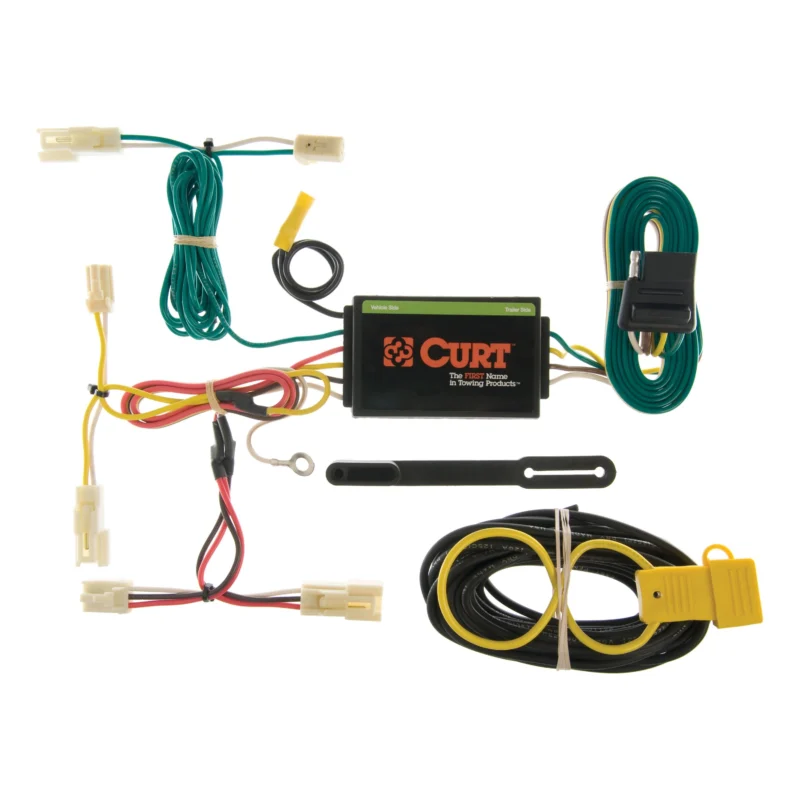
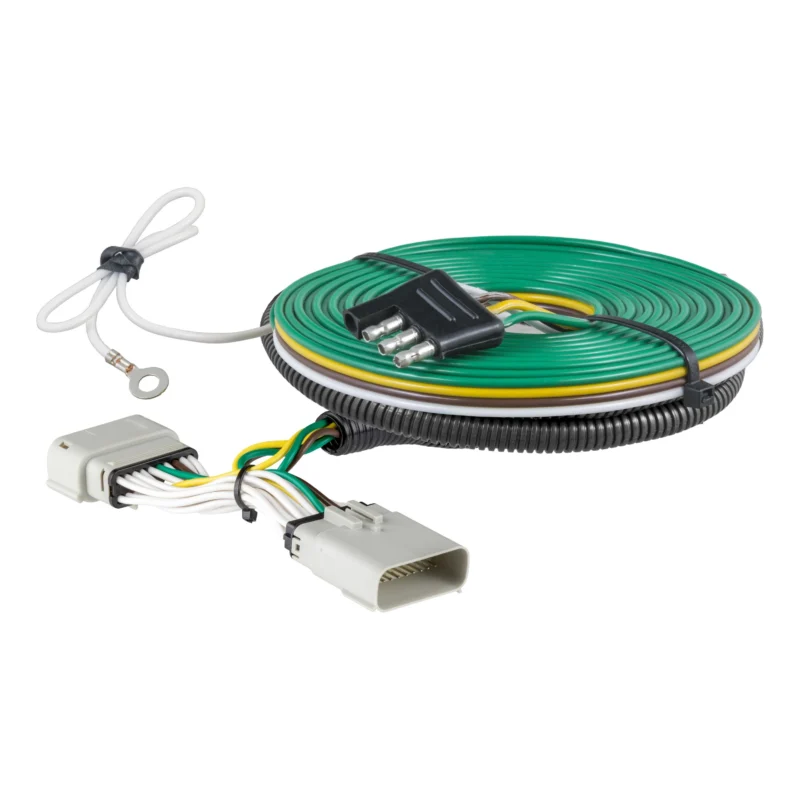
Vehicle-specific T-One wiring harnesses plug directly into your tow vehicle's existing tail light wiring without cutting or splicing any factory wires. They use a T-connector that taps cleanly into the tail light circuit, making installation straightforward and fully reversible. These harnesses are engineered to match the wiring layout of specific truck and SUV models, ensuring correct signal function and protecting your vehicle's electrical system with built-in circuit protection. Coverage includes the Ford F-Series, Chevy Silverado, GMC Sierra, Ram 1500, Toyota Tacoma, Toyota Tundra, Jeep Wrangler, Ford Bronco, and many more.
Universal Wiring Kits, Extensions, and Adapters
Universal wiring kits require more installation effort, typically involving splicing into existing taillight wires, but offer greater flexibility for vehicles without a vehicle-specific harness option. They are also useful for trailer-side rewiring when trailer connector pins have corroded or the trailer harness itself has been damaged. We also carry wiring extensions to reach longer trailers, and adapters to convert between connector types -- for example, from a 7-pin vehicle connector to a 4-pin trailer plug, or vice versa.
Trailer Brakes
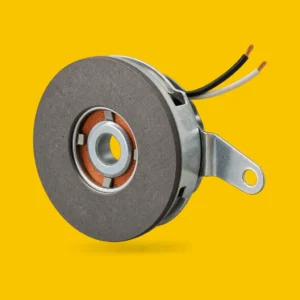
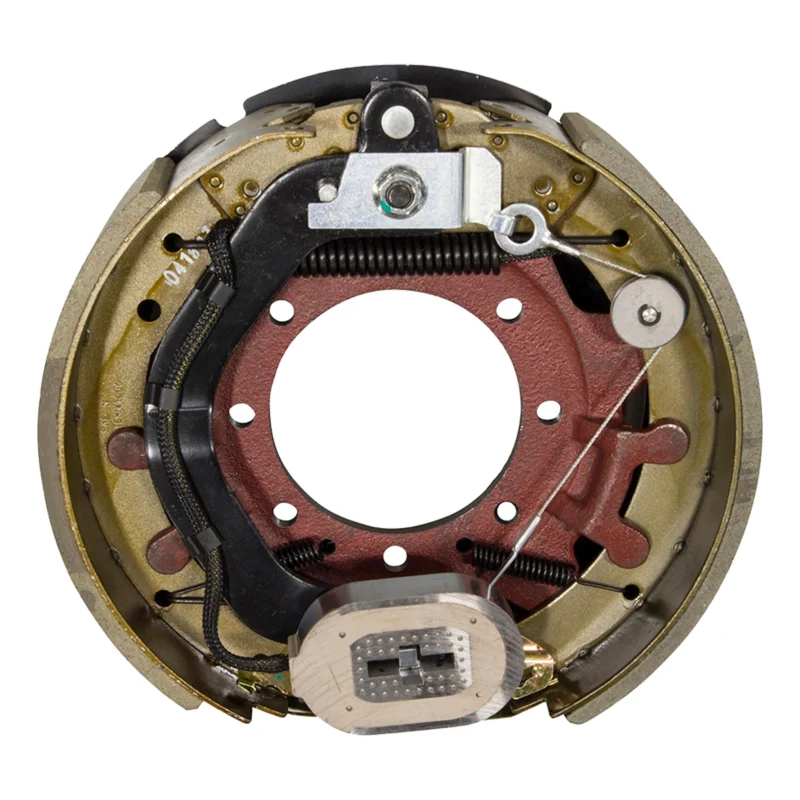
Trailer brakes are an important part of your setup. Properly working brakes will give you greater control over your trailer and better response in case of an emergency. Trailer brakes are mandatory if your trailer surpasses 3,000 lb GTW. Select models of our electric trailer brakes can handle well beyond that, with some accommodating 6,000, 8,000, or even 10,000 GTW. Whatever size of trailer you own, we have the technology to keep it safe and controlled.
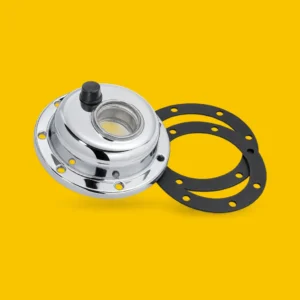
Are worn or frayed brake parts rendering your trailer inoperable? We sell plenty of individual trailer brake parts. This includes trailer hub assembly kits, calipers, batteries, and individual hardware components. Our wide selection of hardware makes trailer brake repair a smooth and inexpensive process.
Trailer Jacks, Couplers, and Winches
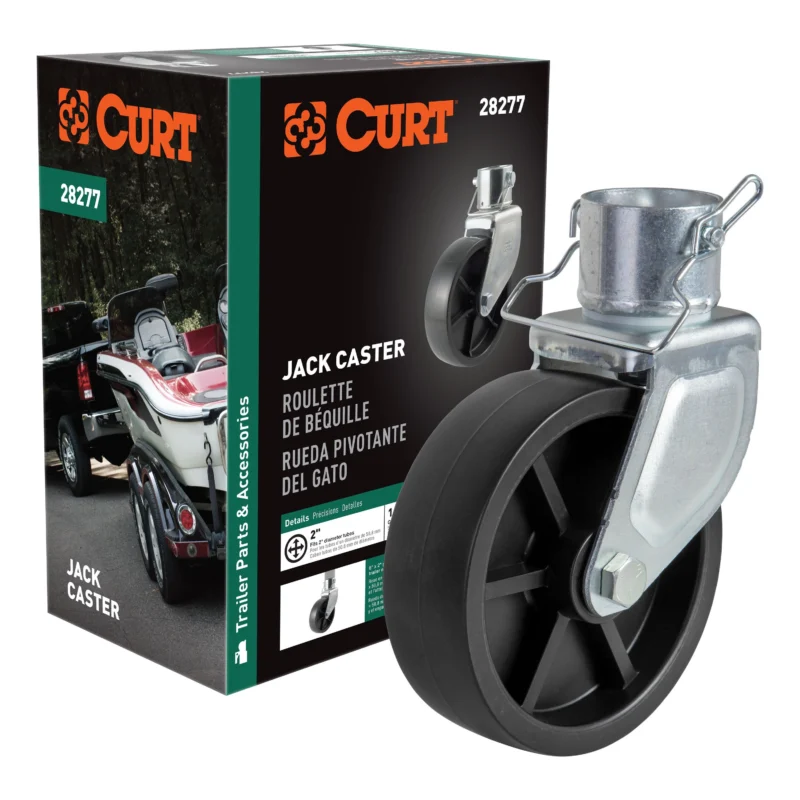
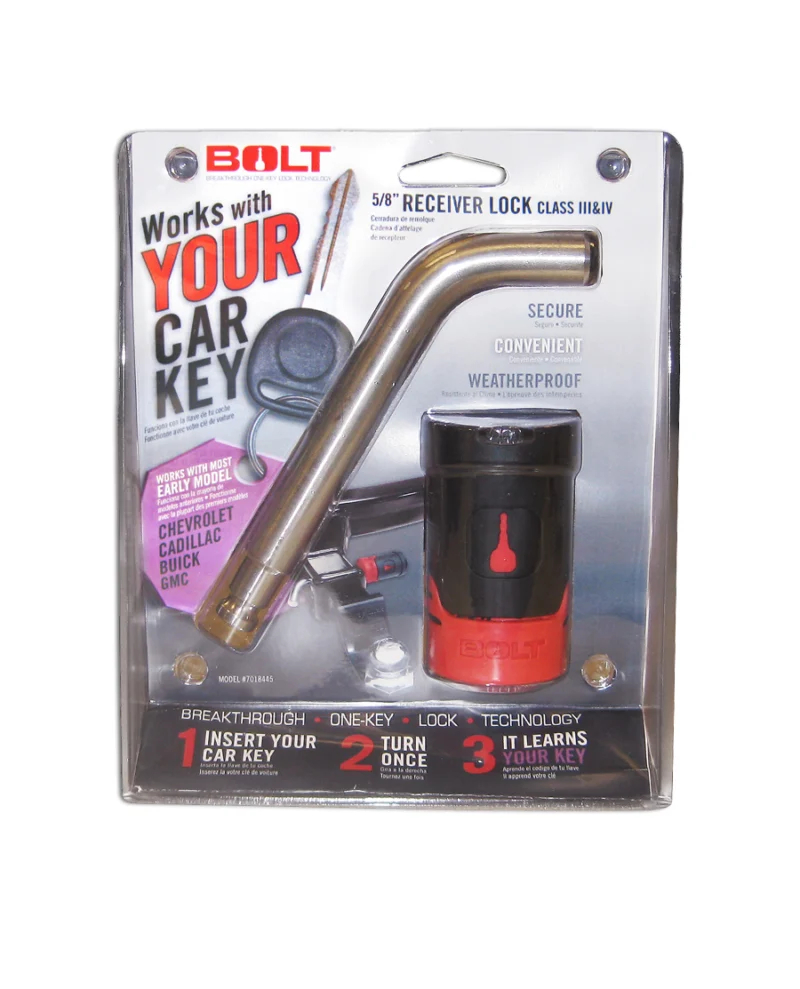
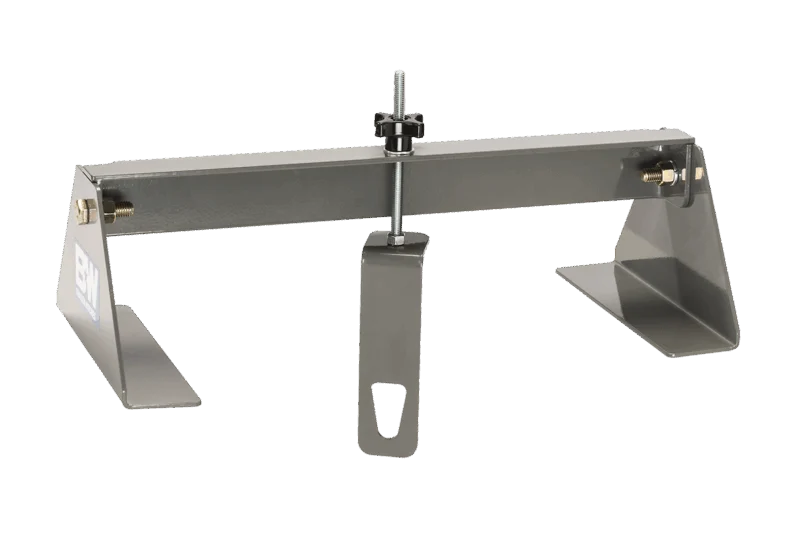
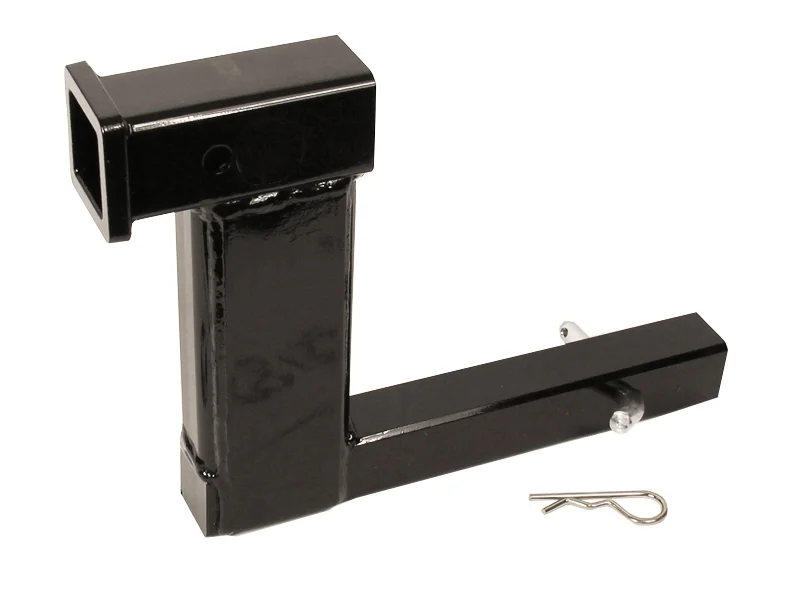
If your trailer needs support, we have the accessories you need. Our trailer jacks provide the stability every trailer needs, keeping it in place when it's not connected to your vehicle. You can also use these jack stands to raise or lower your tongue, making it easy to reconnect your trailer hitch.
We also sell trailer couplers. These couplers can corrode quickly, and once they're damaged you can no longer operate your ball joint. You can pick up replacement couplers or upgrade to a different size or style.
Finally, we have trailer winches. If you own a boat trailer, or use a flatbed to transport vehicles, then a trailer winch is a must-have. A winch makes it easy to load and unload large cargo. An electric winch even allows for hands-free operation, making loading your trailer that much easier.
Trailer Lights and Replacement Parts
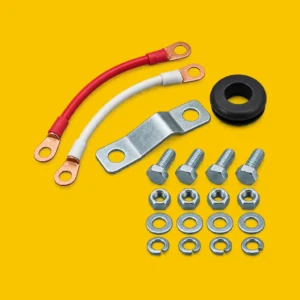
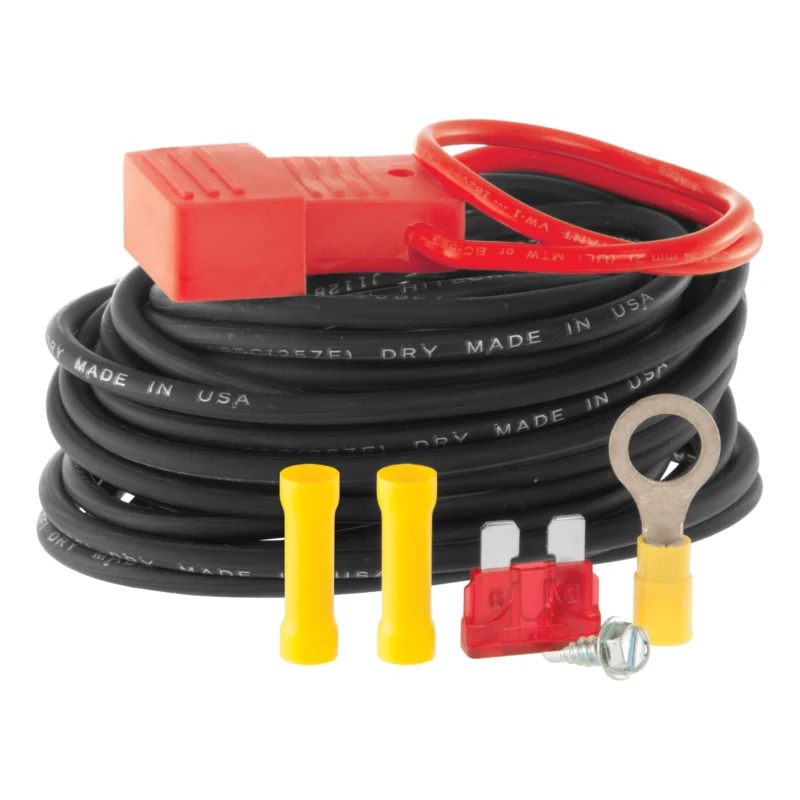
Thanks to constant exposure to the elements, trailer lights quickly deteriorate. They're prone to broken lenses or faulty wiring, quickly turning your trailer's lighting from dependable to dangerous. One of the most common issues plaguing trailer lighting setups is broken lenses. We sell replacement lenses -- plus plenty of other replacement parts, including grommets and brackets. You can replace corroded wiring with a brand-new trailer light wiring kit. A new kit might even improve your old lighting setup with a lower-profile design that gets less exposure to the weather, or brighter LEDs for better visibility.
In addition to replacement parts, we also sell auxiliary trailer lights. Extra lighting includes work lamps or LED trailer lights that attach to your fender. These accessories can work alongside your existing lighting setup, making it safer than ever.
Brands and Professional Installation
We carry brake controllers, wiring, and towing hardware from CURT, Hopkins Towing, Blue Ox, Buyers Products, and Rugged Ridge -- covering time-delayed and proportional controllers, vehicle-specific T-One harnesses, universal kits, and a full range of adapters and accessories.
Brake controller installation involves wiring into your vehicle's brake signal circuit, mounting the unit in an accessible dash location, and calibrating the output level for your trailer's brakes. Our experienced technicians handle complete brake controller and wiring installations, ensuring everything is correctly wired, calibrated, and tested before you tow. Most harness installations are completed quickly, often the same day. Stop into your nearest H&H store to get started.
Common Questions
Do I legally need a trailer brake controller?
In most states, a brake controller is legally required when towing a trailer with a GTW over 3,000 lbs that is equipped with electric brakes. Requirements vary by state, so it's always best to check local regulations. Regardless of legal requirements, a brake controller is strongly recommended for any trailer heavy enough to affect your stopping distance.
What is the difference between a proportional and time-delayed brake controller?
A proportional controller measures your vehicle's actual deceleration and applies matching brake force to the trailer in real time, producing the smoothest and most responsive braking. A time-delayed controller applies a fixed, preset level of brake force after a short delay from when you press the pedal. Proportional controllers are generally preferred for heavier trailers and more frequent towing, while time-delayed units are a cost-effective choice for lighter or occasional use.
How do I know if my trailer has electric brakes?
Electric trailer brakes are common on travel trailers, fifth wheel trailers, horse trailers, and enclosed cargo trailers. You can check your trailer's axle for brake drums and a wiring connection at each wheel. If your trailer has a 7-pin connector and brakes at each axle, it almost certainly uses electric brakes that require a controller.
Does my tow vehicle need special wiring for a brake controller?
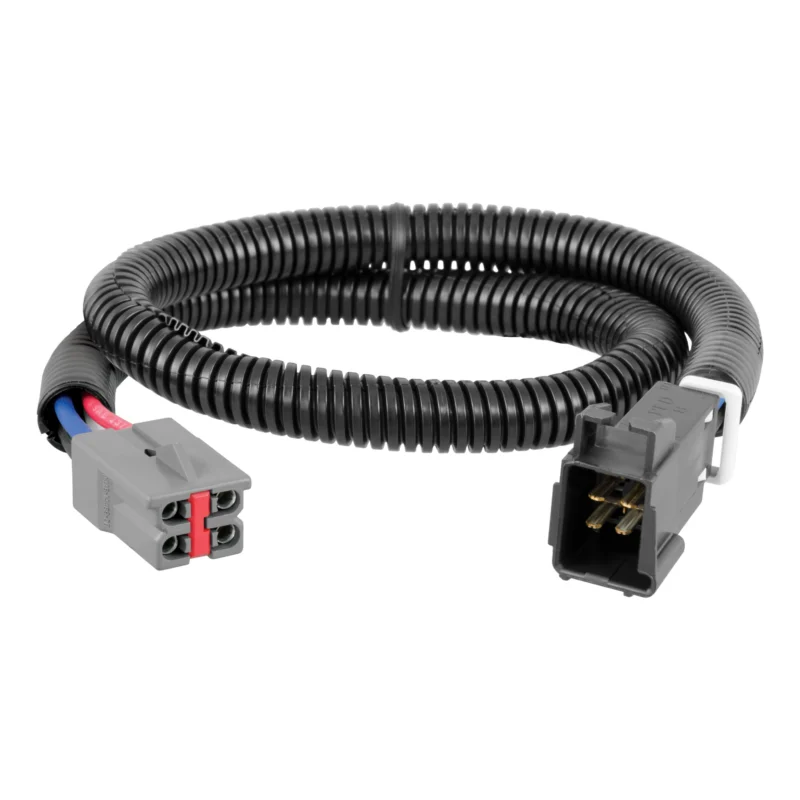
Most modern trucks and SUVs include a brake controller output wire in the trailer wiring harness -- often a 7-pin flat connector. Some vehicles require a vehicle-specific wiring adapter to connect the controller cleanly. Several brands offer plug-and-play harnesses for popular tow vehicles that allow for a clean, no-splice installation.
Can I install a brake controller myself?
Some basic brake controllers with plug-and-play harnesses are designed for straightforward DIY installation. However, improper wiring can result in the controller not functioning correctly -- which is a serious safety risk. Our technicians install and test brake controllers, ensuring your system is set up correctly and calibrated for your specific trailer before you tow.
What is the difference between a 4-pin and a 7-pin trailer wiring connector?
A 4-pin connector handles basic trailer lighting -- running lights, brake lights, and turn signals -- and is used for small trailers without electric brakes. A 7-pin connector adds two additional circuits for electric trailer brakes and a 12-volt auxiliary power supply, making it the standard for larger trailers, RVs, and any trailer with electric brakes.
Does my truck already have trailer wiring?
Most modern full-size trucks and many SUVs come from the factory with a 7-pin connector at the hitch receiver. If your vehicle doesn't have a factory connector, or if the connector is the wrong type for your trailer, a wiring harness kit can add or upgrade the connection without modifying your vehicle's factory wiring.
What is a T-One wiring harness?
A T-One harness is a vehicle-specific plug-and-play wiring connector that taps into your taillight circuit without cutting or splicing wires. It plugs directly into your existing lighting harness using OEM-style connectors and adds a trailer wiring connector at the rear of the vehicle. It's the cleanest and most reversible wiring installation method available.
Can I use a 7-pin connector with a trailer that only has a 4-pin plug?
Yes, with an adapter. A 7-pin to 4-pin adapter connects to your vehicle's 7-pin port and provides a 4-pin flat connector for trailers with the smaller plug. We carry a variety of adapters to bridge the most common connector mismatches.
My trailer lights are working on one side but not the other. What's wrong?
This is often caused by a failed bulb, a corroded ground connection, or a damaged wiring harness on either the vehicle or trailer side. Our technicians can diagnose trailer wiring issues and replace or repair the harness.
Do wiring harnesses work with LED trailer lights?
Most modern vehicle-specific harnesses are compatible with LED trailer lights. However, some older vehicles with load-sensing circuits may require a resistor or converter to prevent fast-flash or error warnings when LED lights are installed. We can advise on the correct solution for your specific vehicle and trailer combination.