
Rods
45 products you can order online or pick up at your local H&H.
-

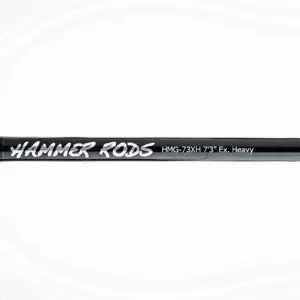
Hammer Rods Elite Series Casting Rod 7’3″ – Extra Heavy, Fast
$199.00 Add to cart -
Hammer Rods Elite Series Micro Guide Spinning Rod – 7’6″ Medium
$179.00 Add to cart -
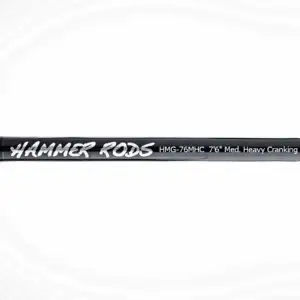
Hammer Rods Elite Series Crankbait Rod 7’6″ – Medium Heavy, Moderate Fast
$197.00 Add to cart -
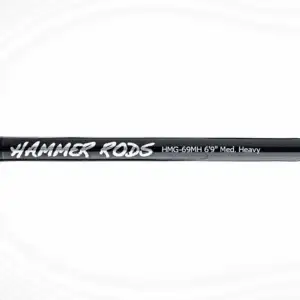
Hammer Rods Elite Series Casting Rod 6’9″ – Medium Heavy, Moderate Fast
$185.00 Add to cart -
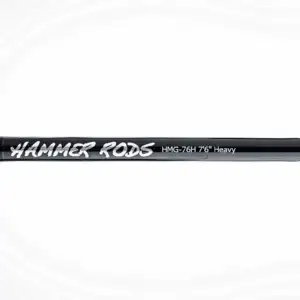
Hammer Rods Elite Series Casting Rod 7’6″ – Heavy, Fast
$199.00 Add to cart -
Hammer Rods Select Series War Hammer Rod 7’5″
$239.00 Add to cart -
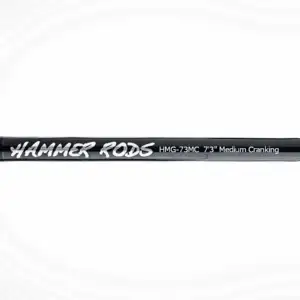
Hammer Rods Elite Series Crankbait Rod 7’3″ – Medium Heavy, Moderate Fast
$195.00 Add to cart -
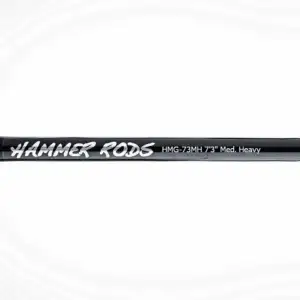
Hammer Rods Elite Series Casting Rod 7’3″ – Medium Heavy, Moderate Fast
$199.00 Add to cart -
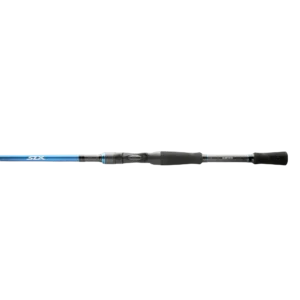
Shimano SLX Casting Rod – 6’10” Medium, Extra Fast
$96.16 Add to cart -
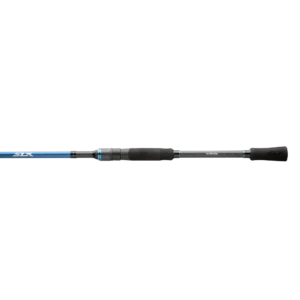
Shimano SLX Spinning Rod – 7’0″ Medium, Extra Fast
$96.16 Add to cart -
Shimano SLX Casting Rod – 7’5″ Medium Heavy, Extra Fast
$96.16 Add to cart -
Shimano SLX Casting Rod – 7’0″ Medium Heavy, Fast
$96.16 Add to cart -
Shimano SLX Casting Rod – 7’2″ Medium Heavy, Extra Fast
$96.16 Add to cart -
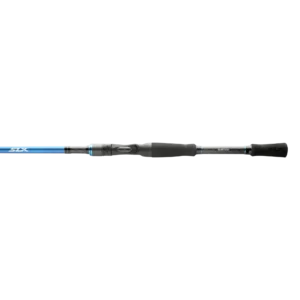
Shimano SLX Swimbait Casting Rod – 7’3″ Medium Heavy, Fast
$105.78 Add to cart -
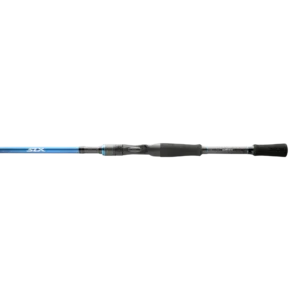
Shimano SLX Casting Rod – 6’10” Medium Heavy, Extra Fast
$96.16 Add to cart -
Shimano SLX Casting Rod – 7’5″ Heavy, Fast
$96.16 Add to cart -
Shimano Talavera Inshore Spinning Rod 7’0″ – Medium, Fast
$99.99 Add to cart -
Shimano Talavera Inshore Spinning Rod 7’6″ – Medium Heavy, Fast
$99.99 Add to cart -
Shimano Trevala Casting Rod 5’8″ – Extra Extra Heavy, Moderate Fast
$219.99 Add to cart -
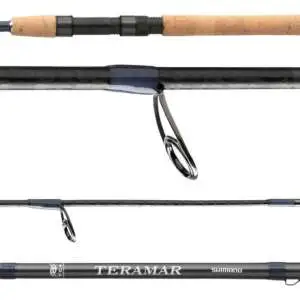
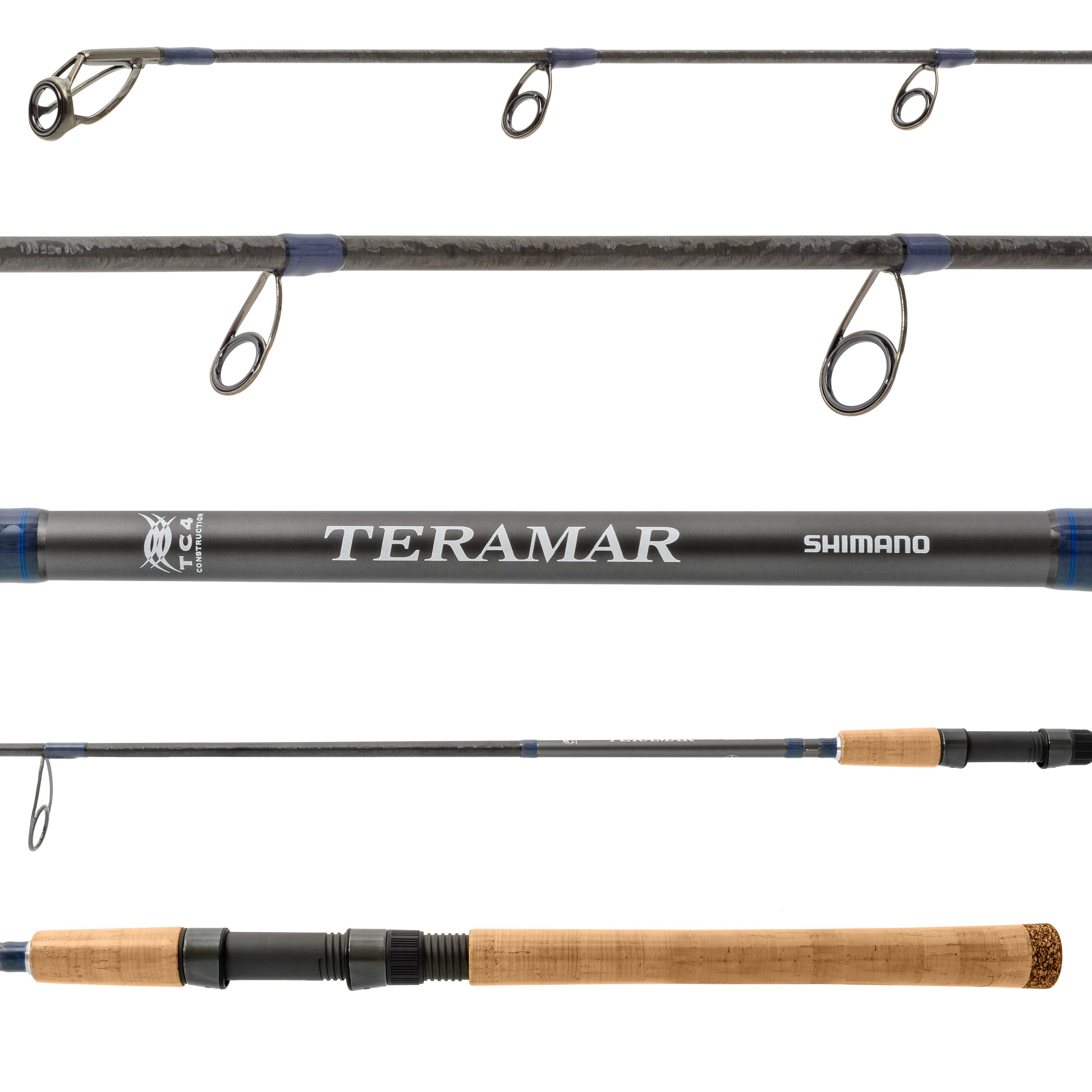
Shimano Teramar SE Spinning Rod 7’0″ – Medium, Extra Fast
$209.99 Add to cart -
Shimano Teramar SE Spinning Rod 7’6″ – Medium, Moderate Fast
$219.99 Add to cart -
Shimano Teramar SE Spinning Rod – 7’6″ Medium Heavy, Moderate Fast
$219.99 Add to cart -

Shimano Tallus PX Spinning Rod 7’2″ – Medium, Fast
$259.99 Add to cart -
Shimano Tallus PX Conventional Rod 6’6″ – Extra Heavy, Fast
$259.99 Add to cart
No matches
Try removing a filter or broadening your search.
Rods for Bass, Bream and Whatever Bites
A rod is a lever and a shock absorber at the same time. Length decides how far you cast and how much line you pick up on a hookset, while power and action decide what the blank does once a fish loads it. This page runs from short spinning rods through longer casting rods and rigged cane poles.
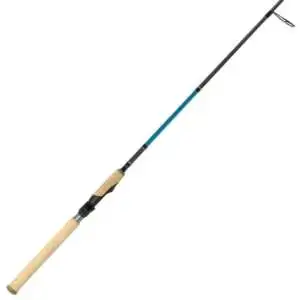
Spinning rods are the easier place to start. The reel hangs under the rod, light lures cast without fighting you, and a beginner is not paying for every mistake with a backlash. Most panfish fishing and a lot of finesse bass fishing happens on spinning gear.
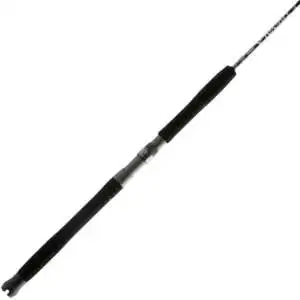
Casting rods take heavier line and heavier lures, and they give you more say in where a bait lands. Once your thumb is trained, a casting setup pitches into cover with a precision that spinning gear does not match.
Cane poles still earn their place around here. For bream off a bank or a dock, a long rigged pole and a cricket outfish a tackle box full of hardware. Match the rod to the water you actually fish, because a rod built for cranking open reservoir is the wrong tool in a creek full of laydowns.
Common Questions
Spinning or casting?
Spinning if you are learning, throwing light lures, or handing the rod to a kid. Casting if you are throwing heavier baits, fishing tight to cover, or you want more control over where the lure lands. Both catch fish, and the setup you will actually practice with is the right one for you.
What length rod should I buy?
Longer rods cast further and pick up more line when you set the hook. Shorter rods are easier to handle in tight quarters and under overhanging cover. If you fish open water from a bank or a boat, lean long. If you are picking your way through creeks and brush, lean short and keep your casts accurate.
What do the letters on a rod mean?
They describe power and action, which is how much force it takes to bend the rod and where along the blank it bends. Medium is the general-purpose middle ground, and heavier ratings suit bigger baits and stronger hooks. Match the rating to the lure weight you plan to throw and you will not go far wrong.
