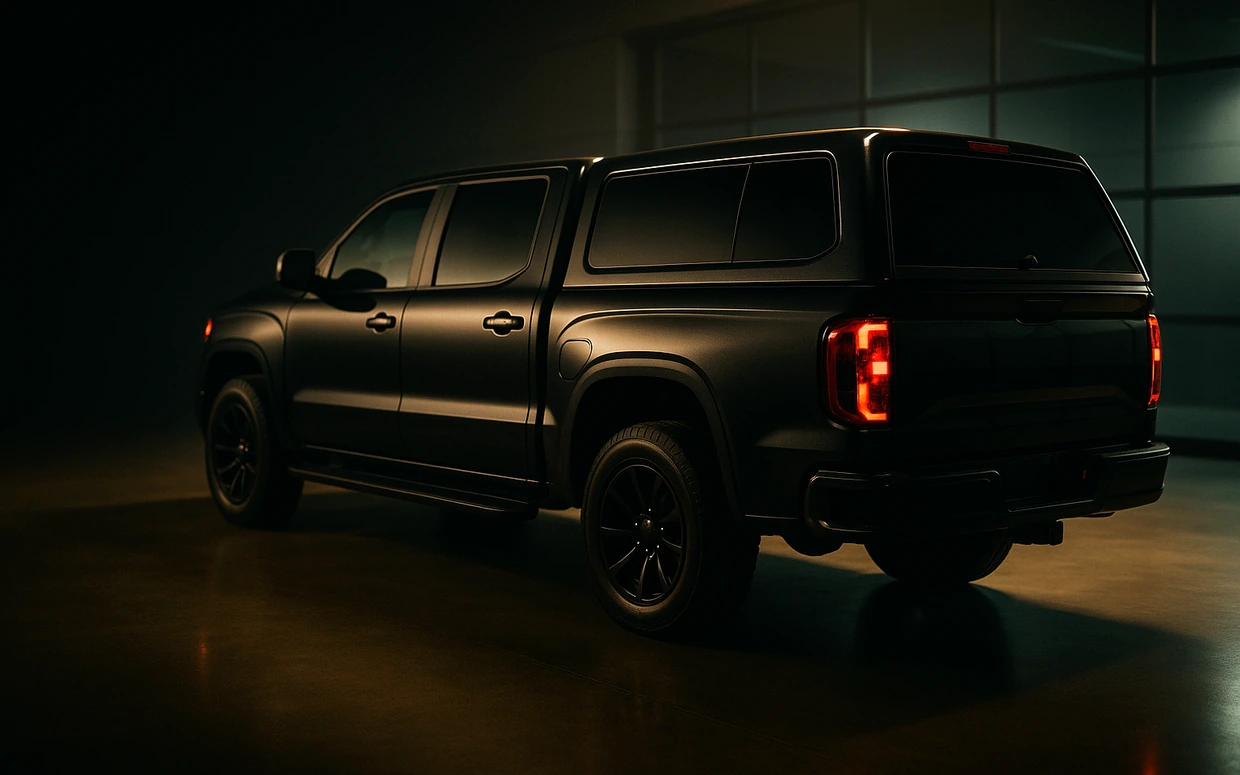
Weight Distribution Hitches
Weight Distribution Hitches and Trailer Sway Control
Towing a heavy trailer without the right equipment isn't just uncomfortable, it's dangerous. When tongue weight pushes down on your hitch ball, the rear of your tow vehicle squats, the front lifts, and steering response suffers. Add trailer sway to the equation and you have a serious safety hazard on your hands.
Find Parts for Your Vehicle
Measuring your bed
Put a tape measure inside the bed, from the inside of the bulkhead (front wall) to the inside of the closed tailgate. Round to the nearest inch — a 69" measurement is a 5'8" bed.
Bed length is measured inside the box, not along the outside of the truck.
Still unsure? Leave it blank to see every length that fits your truck, or call 800-953-7108.
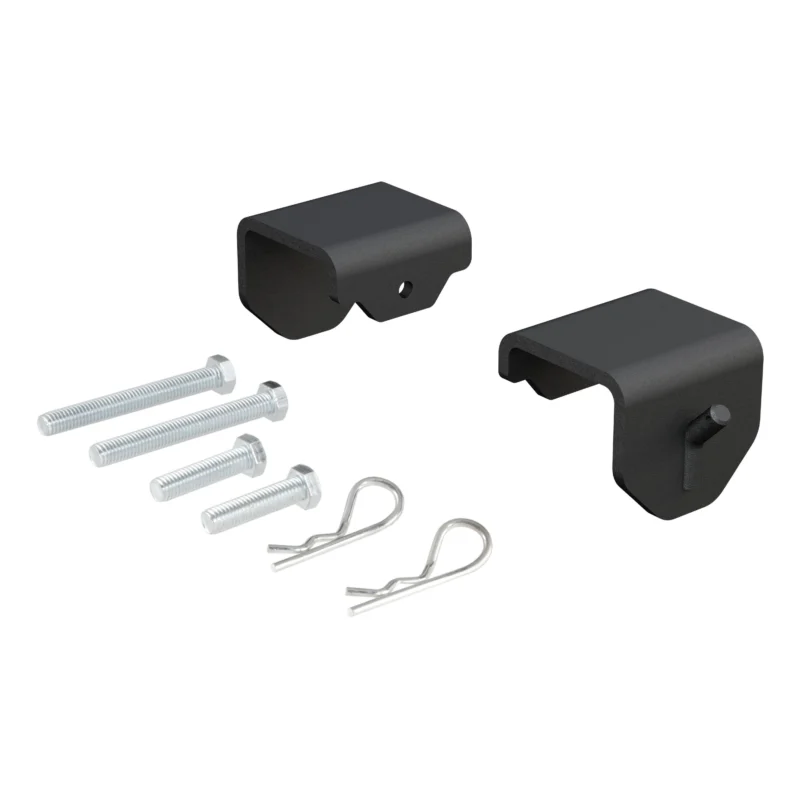
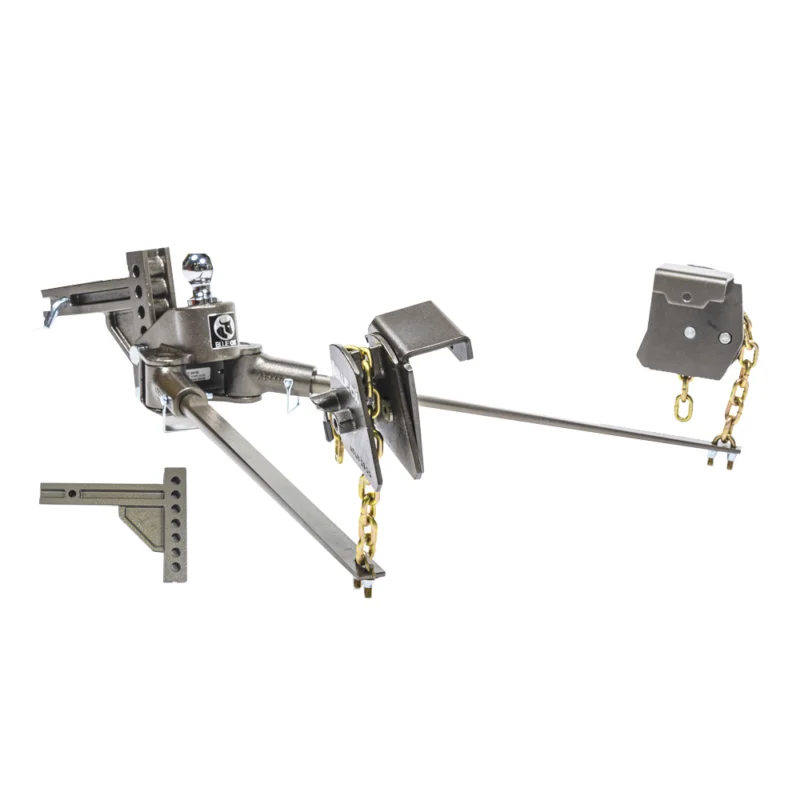
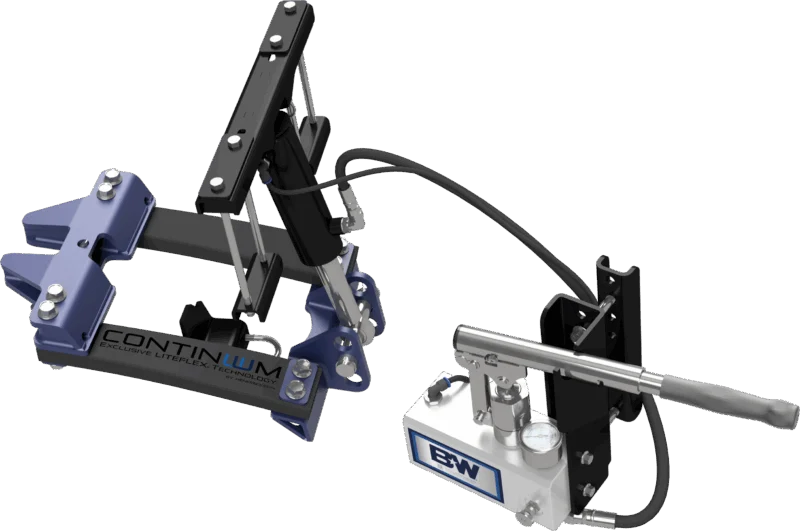
What Is a Weight Distribution Hitch?
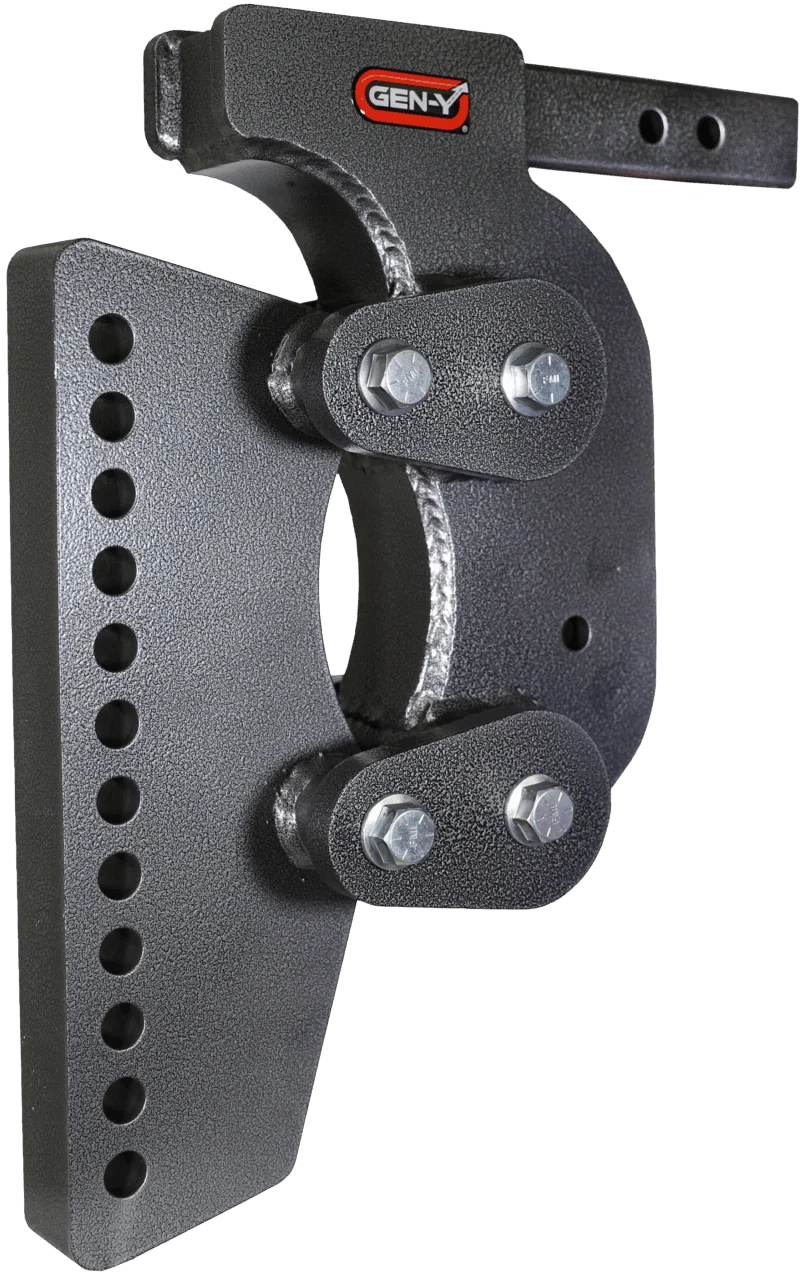
A weight distribution hitch is a specialized towing system that uses spring bars to transfer a portion of the tongue weight from the rear axle of the tow vehicle forward to the front axle, and rearward to the trailer axle. The result is a level, stable towing platform that restores front-end steering feel, improves braking performance, and allows you to safely tow closer to your vehicle's maximum rated capacity.
When Do You Need Weight Distribution?
Most trailer hitch manufacturers and vehicle OEMs recommend using a weight distribution system when your trailer's tongue weight exceeds 10% of your tow vehicle's gross vehicle weight rating (GVWR), or when your trailer's total weight surpasses 5,000 lbs. If you notice the front of your truck rising, your headlights pointing skyward, or handling feeling vague and disconnected when hooked up, a weight distribution hitch is likely overdue.
What Is Trailer Sway Control?
Trailer sway, sometimes called fishtailing, occurs when a trailer begins to oscillate side to side behind your vehicle. It can be triggered by improper trailer loading, sudden wind gusts, uneven road surfaces, or passing large vehicles at highway speeds. Left unchecked, trailer sway escalates quickly and can lead to a complete loss of control.
How Sway Control Systems Work
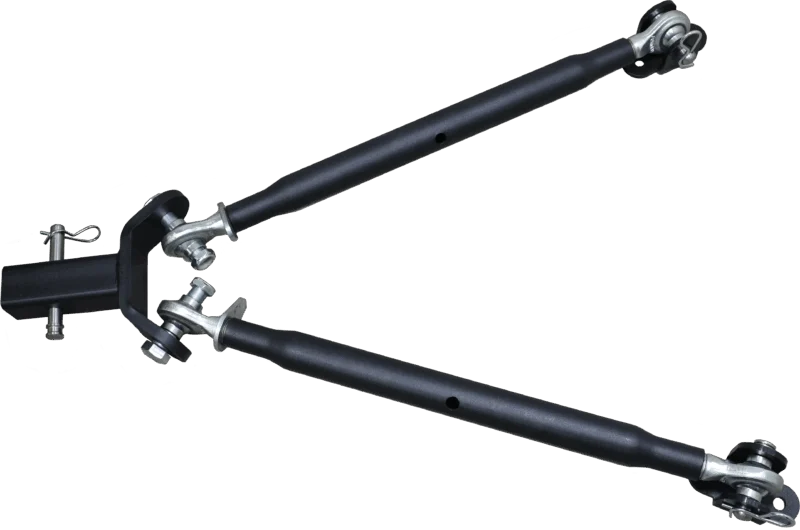
Trailer sway bars create a friction-based connection between the trailer's A-frame tongue and the hitch head. This friction resists the rotational movement that causes sway, dampening the oscillation before it builds into a dangerous situation. A sway bar kit typically includes a sway control unit, mounting plate, and ball, so you can build a safer towing setup quickly.
Weight Distribution and Sway Control, Better Together
For most serious towers, the best approach is a system that handles both weight distribution and sway control simultaneously. Combo systems use a single hitch head with built-in sway resistance, eliminating the need for separate components. These all-in-one setups are particularly popular with RV owners and anyone who regularly hauls large enclosed trailers or boat trailers at highway speeds.
Brands We Carry
We stock weight distribution and sway control products from B&W Towing, Blue Ox, BulletProof Hitches, CURT, Fastway, Gen-Y Hitch, Weigh Safe, Smittybilt, and Buyers Products -- spanning everything from basic friction sway bars to premium integrated systems with telescoping spring bars and built-in load measurement. Whether you're shopping by brand, by tongue weight capacity, or by hitch ball size, our team can help you find the right fit.
Common Questions
What's the difference between a weight distribution hitch and a standard hitch?
A standard receiver hitch simply provides a mount point for your trailer. A weight distribution hitch goes further by using spring bars to redistribute tongue weight across all axles, keeping your setup level and your steering responsive under load.
Do I need both weight distribution and sway control?
For trailers over 5,000 lbs, or in conditions with frequent crosswinds and highway driving, having both is strongly recommended. Many modern systems combine them into one unit, making the upgrade straightforward and cost-effective.
What tongue weight capacity do I need?
Match your weight distribution system's capacity to your trailer's actual tongue weight, which is typically 10-15% of your total loaded trailer weight. A 10,000 lb trailer generally produces 1,000-1,500 lbs of tongue weight, so you'd want a system rated accordingly.
Can I use a weight distribution hitch with a lifted truck?
Yes, but you'll need to account for the added height when selecting a hitch head and shank. Many manufacturers offer adjustable rise/drop options, and our team can help match you to the right components for your specific setup.
Are weight distribution hitches compatible with all trailer types?
They work with most conventional ball-mount trailers, including travel trailers, toy haulers, boat trailers, and car haulers. They are not used with fifth-wheel or gooseneck setups, which have their own dedicated hitch systems.
How do I know if my trailer sway is getting dangerous?
Early signs include a rhythmic swaying sensation you can feel through the steering wheel or seat, difficulty holding a straight line, or your trailer visibly weaving in your mirrors. If sway begins, do not brake suddenly -- gradually reduce speed and pull off the road safely, then evaluate your load balance and hitch setup.